
The forces reshaping how companies design work, develop talent, and plan for the future are accelerating. As businesses move through 2026 and beyond, staying ahead of workforce trends shaping 2026 has become essential for leaders navigating an environment defined by technological disruption, rising employee expectations, and persistent economic uncertainty.
In many industries, structures that once seemed stable are transforming quickly. Digital transformation, artificial intelligence, and the growing premium placed on future-ready skills are redefining what employers expect from their people and from their leaders. This moment calls for a fundamental rethink of how companies approach talent planning, leadership, and capability building — a shift explored further in future workforce strategy.
Here is a closer look at the workforce trends shaping 2026 and what they mean in practice.
Digital Transformation Continues to Redefine Workforce Trends
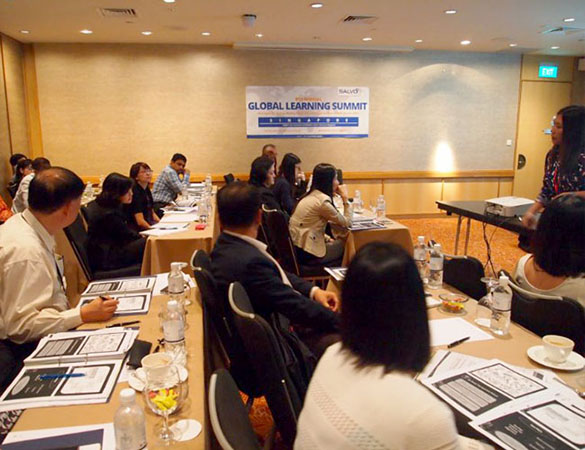
Among the most powerful forces shaping the modern workplace is the continued acceleration of digital transformation. AI, machine learning, and advanced analytics are no longer emerging technologies — they are becoming deeply embedded in how businesses operate day to day.
Early conversations about automation were dominated by fears of job displacement. The reality taking shape across most industries is more nuanced. Technology is increasingly augmenting human capability rather than simply replacing it.
People are now expected to work alongside intelligent systems that assist with data analysis, operational efficiency, and decision support. Organisations looking to build this capability can start with a clearer understanding of HR data analytics.
Many roles are therefore evolving rather than disappearing, but that evolution demands new competencies. Workers must combine technical literacy with critical thinking and the kind of strategic judgment that machines cannot replicate.
The Shift Toward Skills-Based Organizations
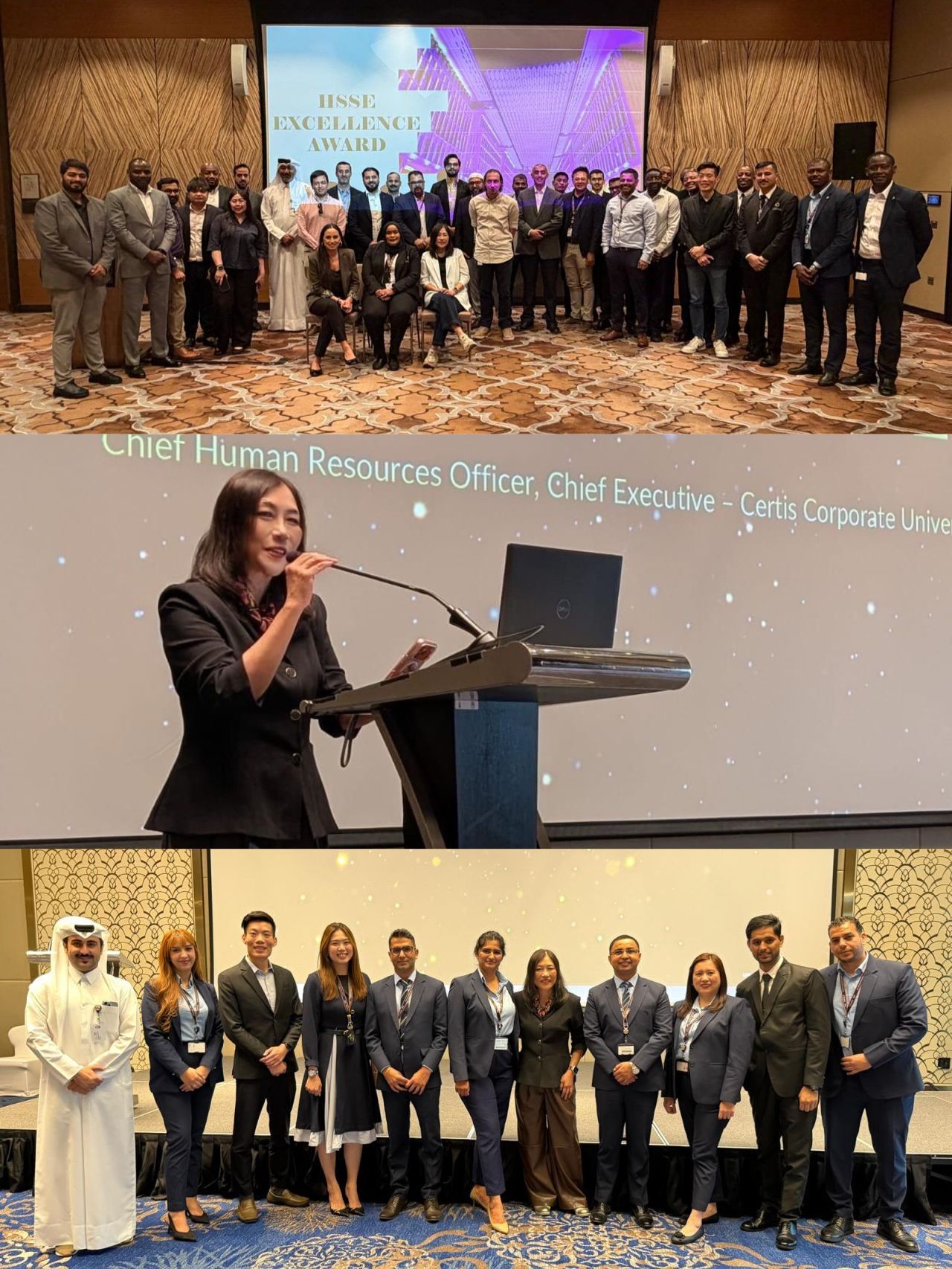
Gaining momentum across sectors is the move toward skills-based workforce models. Traditional structures have long been built around job titles and fixed role definitions, an approach that offers stability but limits agility when new challenges arise quickly.
Skills-based employers focus instead on what individuals can actually do. Rather than assigning people strictly by job description, leaders consider how their expertise can be applied across different projects and business needs.
Companies that adopt this approach consistently uncover hidden strengths within their existing teams. Workers previously confined to narrow roles are able to contribute in broader, more valuable ways when their full range of competencies is recognized and deployed more flexibly.
This shift also raises the stakes for learning. As industries continue to transform, staff must be actively encouraged to update their skills on an ongoing basis. Employers that support this kind of continuous development are far better positioned to stay competitive in fast-moving markets.
The Growth of Flexible Workforce Models
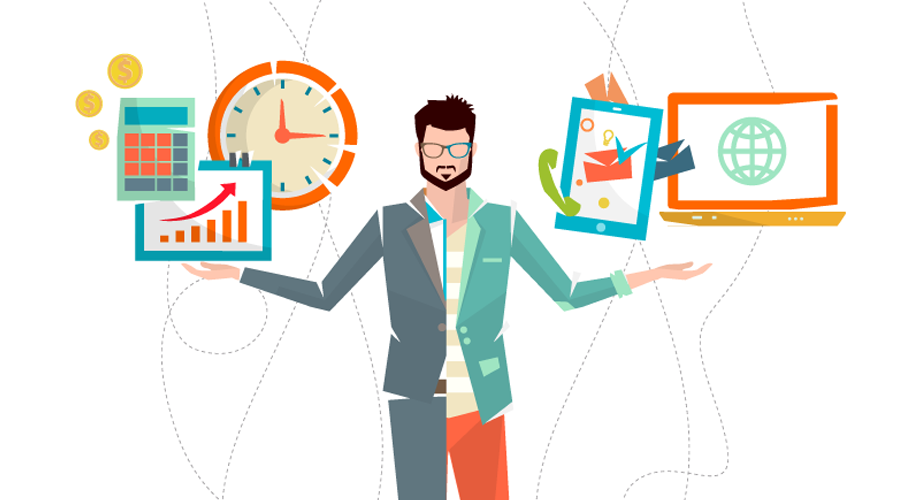
The structure of the workforce itself is being redrawn. Remote and hybrid arrangements, once considered temporary accommodations, have become permanent fixtures across many industries. Project-based teams, freelancers, and specialist external talent are also playing a larger role in how work gets done. Companies like VentureStudio Pte Ltd; a media and marketing agency, have over 5+ fully remote staff which meets once or twice a week to get work done, which improve moral and productivity.
This reflects a deeper shift toward talent ecosystems rather than conventional employment structures. Businesses are recognizing that not every capability needs to sit in-house; expertise can be accessed through a variety of models depending on the need.
Flexibility does, however, introduce new management challenges. Sustaining strong culture, collaboration, and alignment becomes considerably harder when people are spread across locations and working arrangements. Leaders must develop fresh approaches to communication, performance, and engagement that hold distributed teams together without the gravitational pull of a shared physical space.
Continuous Learning Becomes Essential
Perhaps the most defining characteristic of today’s workplace is the speed at which skills become outdated. Technologies advance, industries shift, and new competencies emerge that were barely imaginable five years ago.
This means that learning can no longer be delivered through periodic training events and considered done. It must become an ongoing process — woven into everyday work rather than scheduled around it.
In companies that handle this well, development is treated as a live practice rather than a one-off programme. Staff are encouraged to explore emerging tools, expand their expertise, and adapt their knowledge as business needs evolve. For leaders, building a genuine culture of learning may ultimately prove to be one of the most important things they can do to strengthen long-term resilience.
Leadership in a Changing Workforce Landscape
As these shifts compound, leadership capability becomes more important — and more demanding. Today’s leaders must navigate uncertainty, rapid technological change, and a workforce with increasingly diverse needs and expectations.
Managing multi-generational teams, enabling flexible arrangements, and guiding people through transformation requires a different style of leadership than many businesses practiced even a decade ago. Effective leaders must pair strategic thinking with genuine empathy and adaptability — creating environments where people feel supported in growing their skills while remaining connected to what the business is trying to achieve.
Employers that invest seriously in leadership development are consistently better equipped to handle the complex talent challenges that lie ahead.
Looking Ahead: What these Shifts Mean for Leaders
The changes taking shape today are not temporary corrections. They reflect deeper, structural shifts in how companies operate, how people build careers, and how work itself is organized. As technology advances and expectations continue to rise, leaders must rethink how talent is developed and deployed — not once, but continuously.
For many businesses, the challenge is not recognizing these developments. It is translating them into practical action. Workforce planning, leadership investment, and capability building must work together rather than in separate silos.
Those that take a proactive approach will be better placed to absorb uncertainty and sustain growth. In the years ahead, the ability to develop people consistently and deliberately will remain one of the most reliable indicators of organizational success.
Leaders looking to explore more HR leadership and workforce strategy insights can find additional perspectives from Dr Jaclyn Lee.
FAQ Section
What are workforce trends?
Workforce trends are long-term shifts in how companies structure work, develop talent, and manage their people. They are typically driven by technological change, economic conditions, and evolving employee expectations — and they shape the decisions leaders make about hiring, development, and organizational design.
Why do workforce trends matter for businesses?
Recognizing emerging shifts early gives leaders a meaningful advantage. Companies that understand where the workplace is heading can adjust their talent strategies proactively — rather than reacting under pressure when change has already arrived.
What developments will most influence the workplace by 2026?
Four stand out: the continued advance of digital transformation, the move toward skills-based structures, the normalization of flexible work models, and the growing imperative of continuous learning. Together, these forces are fundamentally changing how talent is valued, deployed, and developed.
How should companies respond to these changes?
The most effective response is integration — connecting workforce planning directly to business strategy rather than treating it as a separate HR function. That means investing in leadership, building clear capability frameworks, and creating conditions where ongoing learning is part of how the business operates, not a supplement to it.
