
In an era of rapid technological disruption(particularily AI), shifting workforce expectations, and intensifying global competition, building a sustainable talent pipeline has moved from a human resources concern to a boardroom priority. Organisations that treat talent development as an afterthought consistently find themselves reactive, scrambling to fill critical roles, overpaying for external hires, and losing institutional knowledge as they go.
The organisations that thrive, by contrast, take a fundamentally different approach. They invest ahead of the curve. They align talent development with strategic direction. And they embed a culture of continuous learning that makes their workforce more resilient, capable, and future-ready at every level.
This article explores what it genuinely takes to build a talent pipeline that is not just functional but a sustainable one that supports organisational growth not just today, but five and ten years from now.
What Does a Sustainable Talent Pipeline Actually Mean?
The term “talent pipeline” is often associated narrowly with recruitment. Maintaining a pool of candidates who can be activated when positions open. While that remains useful, it fundamentally misses the point of what a sustainable pipeline is meant to achieve.
A sustainable talent pipeline is an organisation’s systematic ability to anticipate future capability requirements and develop the talent needed to meet them.
It is proactive, not reactive.
It is strategic, not transactional.
This distinction matters enormously. In a traditional model, workforce planning begins when someone hands in their notice. In a sustainable model, the organisation has already identified who is ready to step up, what development they need to get there, and what the role itself will look like in the context of future business requirements.
A sustainable pipeline is not a single HR programme or initiative. It is the cumulative result of aligned workforce strategy, consistent leadership investment, structured internal development, and evidence-based decision making, all working together over time.
Why Traditional Approaches Are No Longer Enough
For decades, many organisations relied on a straightforward formula: when a capability gap appeared, they hired externally to fill it. This approach worked in stable, slow-moving markets where roles were well-defined and labour supply was relatively predictable.
Those conditions no longer apply in most industries.
The pace of technological change means that role requirements are shifting faster than many organisations can respond to through external hiring alone. The candidate landscape has become more competitive. Onboarding external hires is expensive and time-consuming. And critically, external candidates, however skilled, lack the institutional knowledge, cultural understanding, and organisational relationships that internal talent has built over time.
Beyond practical constraints, there is a deeper strategic problem with over-reliance on external recruitment. It signals to existing employees that their development is not a priority. Over time, that signal erodes engagement, accelerates turnover, and undermines the very stability that organisations need to perform.
The shift required is not about eliminating external hiring. It remains a vital part of any talent strategy but about rebalancing. The most resilient organisations develop from within as a default and hire externally to supplement and diversify, rather than the other way around.
Aligning Talent Development with Workforce Strategy
One of the most common failure points in talent pipeline development is the absence of genuine alignment between HR initiatives and the organisation’s broader strategic direction. Development programmes are designed in isolation. Leadership capability frameworks are built without reference to where the business is heading. Internal mobility exists on paper but not in practice.
The result is a talent pipeline that looks coherent on an org chart but fails to deliver when it matters most.
Effective alignment starts with a clear-eyed assessment of where the organisation is going. What markets is it entering or exiting? What technologies will change how work gets done? What leadership capabilities will be required to execute the strategy successfully over the next three to five years?
These questions should drive workforce planning, not just headcount planning, but capability planning. Once an organisation understands the capabilities it will need, it can begin to map those requirements against its current talent base, identify development priorities, and build structured pathways that close the gaps systematically.
This is precisely the work that Dr Jaclyn Lee’s Advisory and Consulting services are designed to support. Working with HR leaders and executive teams, Dr Lee helps organisations build workforce strategies that are genuinely integrated with business objectives creating the foundations for a talent pipeline that is strategically coherent, not just administratively tidy.
Developing Talent from Within: The Structural Imperative
Internal development is one of the most powerful and underutilised levers available to organisations. Employees who are already embedded within an organisation bring institutional knowledge, established relationships, and a proven track record in context. When developed well, they become some of the most effective leaders and senior contributors an organisation can have.
Yet many organisations consistently underestimate the potential sitting within their existing workforce. They look externally because it feels faster or because the internal development process seems uncertain. In doing so, they miss an extraordinary opportunity and send a powerful negative signal to their people in the process.
Effective internal development requires more than good intentions. It requires structure. Specifically, it requires clear development pathways that employees can see and trust, access to meaningful stretch assignments and learning experiences, consistent coaching and feedback from leaders, and accountability for development outcomes at every level of the organisation.
It also requires honest conversations. Identifying high-potential employees and investing in them is not enough if those employees do not understand the expectations, the timelines, or the criteria by which they will be evaluated for advancement.
Organisations that get this right that build genuine transparency into their development processes consistently report stronger engagement, lower turnover, and smoother leadership transitions. The investment in internal development pays back many times over.
The Role of Leadership in Building Pipeline Sustainability
No talent pipeline can be sustained without genuine leadership commitment. And yet, in many organisations, leadership development and talent pipeline work are treated as separate streams one handled by the C-suite, the other by HR. This separation is one of the most significant barriers to building a truly sustainable pipeline.
Effective talent pipeline development requires leaders at every level to take personal responsibility for identifying, developing, and advancing the people around them. This is not simply about mentoring high-potential individuals, though that matters. It is about creating a culture in which development is a shared priority, where leaders model learning, actively sponsor talent, and make visible investments in the growth of their teams.
In organisations where this culture is embedded, talent development does not depend on a single champion or a particular HR programme. It becomes self-reinforcing. Leaders who were developed deliberately tend to develop others deliberately. That continuity is what makes a talent pipeline sustainable over the long term.
For HR leaders and senior executives who want to build this kind of leadership culture from the ground up or accelerate its development within an existing organisation. Dr Jaclyn’s Workshops and Corporate Training programmes offer practical, applied frameworks for developing leadership capability in the context of real organisational challenges. Topics include leading transformation, building high-performance cultures, and navigating the future of work.
Using Data and Analytics to Strengthen Talent Decisions
One of the most significant shifts in workforce management over the past decade is the growing availability of people data and the analytical tools to interpret it. Forward-thinking organisations are using workforce analytics not just to track headcount and attrition, but to make genuinely predictive decisions about talent.
This includes identifying flight risks before employees have begun job searching, mapping the skills and capabilities required for future roles, assessing the effectiveness of development programmes against real performance outcomes, and anticipating where pipeline gaps are likely to emerge based on demographic and tenure data.
The value of data in talent pipeline development is not just operational efficiency. It is the ability to shift from reactive problem-solving to proactive workforce design. Organisations that embed analytics into their talent processes can ask better questions, test assumptions against evidence, and allocate their development investment where it will have the greatest impact.
However, data alone is not enough. Workforce analytics only delivers strategic value when it is interpreted within the context of the organisation’s culture, its leadership capability, and its strategic direction. The numbers tell you what is happening. Experienced HR leadership helps you understand why and what to do about it.
Dr Jaclyn Lee is widely recognised as one of Asia’s leading authorities on HR technology and people analytics. Her work with organisations across industries demonstrates how analytical insight, when applied with strategic clarity, can fundamentally transform the effectiveness of a talent pipeline.
Building Future-Ready Capabilities: The AI and Digital Dimension
Any serious discussion of sustainable talent pipeline development today must grapple with the implications of artificial intelligence and digital transformation. AI is not simply changing how HR functions operate, it is changing the nature of work itself, and therefore the nature of the capabilities organisations need to develop.
Roles that were stable for decades are being redesigned. New roles requiring a combination of technical fluency and human judgment are emerging at pace. The shelf life of specific technical skills is shortening. And the ability to learn, adapt, and work effectively alongside intelligent systems is becoming one of the most valuable capabilities an organisation can cultivate.
This has two major implications for talent pipeline development. First, organisations need to build learning agility, the capacity and disposition to continuously acquire new skills as a core competency, not just a desirable trait. Second, leadership development must evolve to prepare leaders for an environment of sustained uncertainty, in which the ability to navigate ambiguity is as important as any technical capability.
Organisations that address these challenges thoughtfully investing in digital literacy, embedding AI tools into workflows, and redesigning development programmes for the realities of an AI-augmented workplace will be significantly better positioned to sustain their talent pipelines through the disruptions ahead.
For organisations seeking expert perspectives on how AI and digital transformation are reshaping workforce strategy, Dr Jaclyn regularly shares insights and frameworks through her keynote speaking engagements, tailored to industry-specific audiences and executive leadership forums across Asia and globally.
Succession Planning as a Pipeline Discipline
Succession planning is one of the most strategically important and most frequently underdeveloped elements of talent pipeline management. Many organisations have succession frameworks on paper, but when tested by an unexpected departure or a rapid organisational change, those frameworks reveal themselves to be little more than name lists.
Robust succession planning is a discipline, not a document. It requires regular review of critical roles to understand how those roles are evolving, honest assessment of internal candidates against future-state requirements (not just current role descriptions), structured development plans for succession candidates that address real capability gaps, and leadership sponsorship that goes beyond HR administration.
Importantly, succession planning should not be limited to senior leadership roles. Organisations that restrict their pipeline focus to the top of the house consistently find themselves exposed at the middle layers where operational continuity is often most critical and external recruitment is most disruptive.
A sustainable succession culture means every significant role has at least one identified internal successor who is actively being developed. That degree of pipeline depth requires sustained investment over time, but it fundamentally changes the organisation’s ability to respond to change.
The Retention Dimension: Keeping the Pipeline Intact
Building a talent pipeline is a significant investment. Retaining the people within that pipeline is equally important, and often insufficiently addressed.
High-potential employees, almost by definition, have options. If they do not see a credible path for growth within the organisation, they will find one outside it. The talent pipeline becomes a training ground for competitors.
Effective retention within a talent pipeline context requires more than competitive compensation, though that is a baseline. It requires visible investment in development, meaningful work that stretches capability, regular honest conversations about progression, and leaders who actively champion their people.
It also requires transparency. Employees who understand how their development is being managed who know what they are being prepared for, what support they will receive, and what the timeline looks like are significantly more likely to remain engaged and committed. Uncertainty, by contrast, is one of the primary drivers of voluntary departure among high-potential employees.
Retention is not a separate strategy from talent pipeline development. It is the outcome of doing talent pipeline development well.
What Sustainable Talent Pipeline Development Looks Like in Practice
To make this concrete, consider the characteristics that distinguish organisations with genuinely sustainable talent pipelines from those that struggle.
Organisations with strong pipelines have deeply integrated workforce strategy with business planning talent decisions are made in the context of where the organisation is going, not just where it has been. They invest consistently in internal development, not just in response to gaps. Their leaders take active, visible responsibility for developing people. They use data to inform talent decisions and measure development outcomes. They have honest, well-maintained succession plans for critical roles. And they maintain a culture in which learning is genuinely valued and continuously practised.
The organisations that build them create a structural advantage that is genuinely difficult to replicate quickly. A competitor can match a salary. They cannot quickly replicate a decade of deliberate internal development.
How Dr Jaclyn Lee Can Help Your Organisation
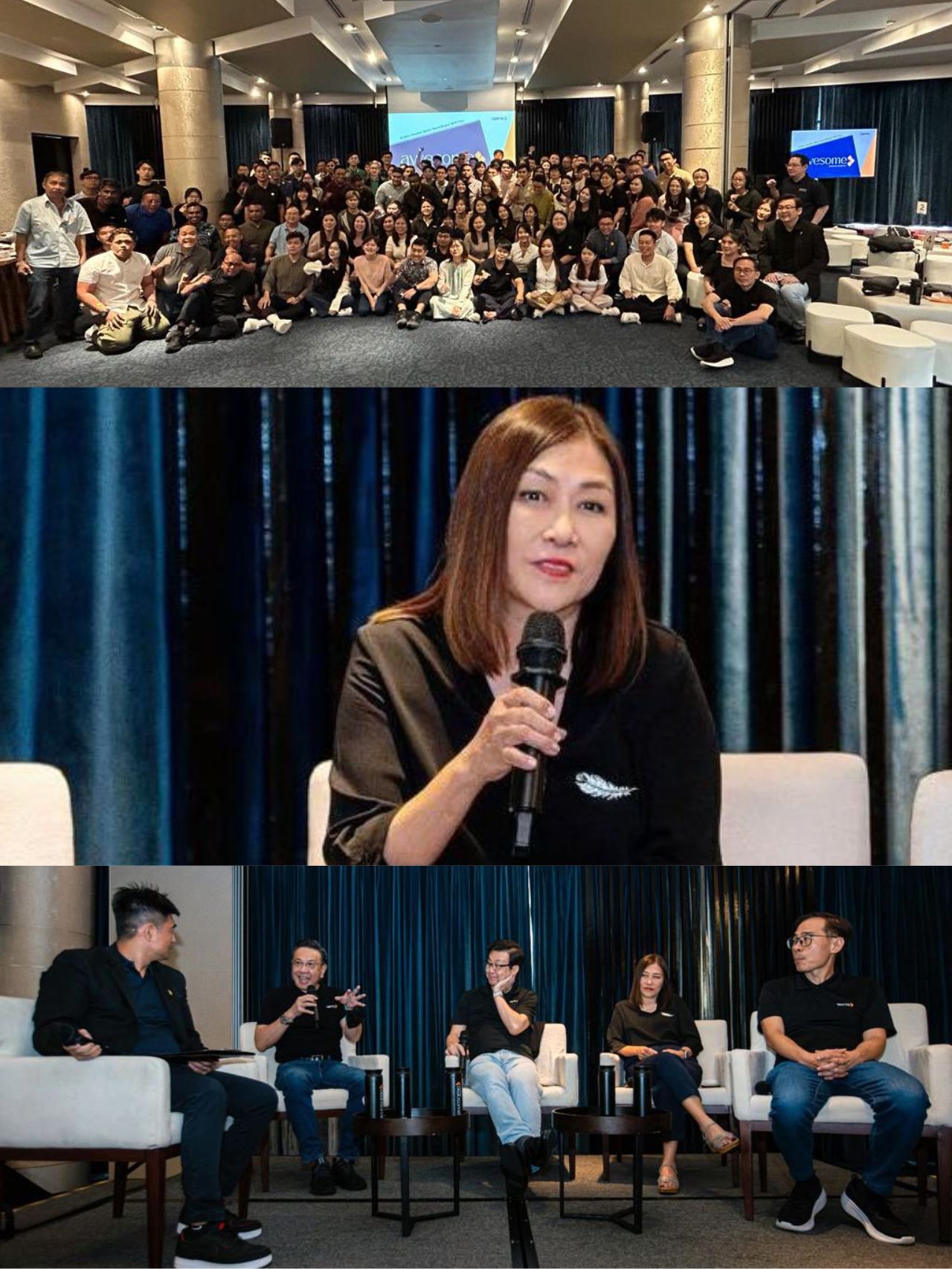
Building a sustainable talent pipeline is complex work. It requires clear strategic thinking, practical experience in workforce design, and the ability to engage leaders across the organisation in a shared commitment to development.
Dr Jaclyn Lee brings over 25 years of senior HR leadership experience across Asia to this work. As a former Chief Human Resources Officer at both Certis Group and the Singapore University of Technology and Design, she has built talent pipelines at scale in complex, high-pressure environments where the stakes were real.
Her work spans three core areas of engagement:
Advisory and Consulting
Working directly with HR leaders and executive teams to design workforce strategies, assess talent pipeline maturity, and build the organisational capabilities needed to sustain long-term talent development. Engagements are available on both a project and retainer basis.
Workshops and Corporate Training
Practical, applied learning programmes for HR teams, people managers, and senior leaders. Topics include workforce strategy, leadership development, digital HR, and people analytics — all designed to equip participants with tools they can use immediately.
Keynote Speaking
Engaging, evidence-based presentations on the future of work, HR technology, AI and workforce transformation, and people analytics. Delivered in person or virtually for leadership forums, industry conferences, and internal leadership events across Asia and globally.
To explore how Dr Jaclyn can support your organisation’s talent pipeline and workforce strategy, get in touch here.
Frequently Asked Questions
What is a sustainable talent pipeline? A sustainable talent pipeline is an organisation’s long-term capability to anticipate future workforce needs and systematically develop the internal talent required to meet them. Reducing dependency on reactive, external hiring.
Why is a sustainable talent pipeline important? Without a deliberate pipeline, organisations are perpetually reactive to talent gaps. A sustainable pipeline enables proactive workforce planning, stronger leadership continuity, better employee engagement, and greater organisational resilience.
How is talent pipeline development different from succession planning? Succession planning is one component of talent pipeline development. Focused on identifying and preparing candidates for specific critical roles. A broader talent pipeline encompasses all structured efforts to develop internal capability across the organisation, including emerging talent, not just senior leadership successors.
What role does data play in talent pipeline management? Workforce analytics enables organisations to identify skill gaps, predict future capability requirements, measure the effectiveness of development programmes, and make evidence-based talent investments shifting the function from reactive administration to strategic planning.
How does AI affect talent pipeline strategy? AI is reshaping the nature of roles and required capabilities. Organisations must build learning agility, digital fluency, and adaptive leadership as core pipeline competencies.
How can Dr Jaclyn Lee support talent pipeline development? Dr Jaclyn offers advisory and consulting services for workforce strategy design, practical workshop programmes for HR and leadership teams, and keynote speaking on the future of work and people analytics.
