
HR and organisational transformation have become inseparable as companies respond to artificial intelligence, changing customer expectations, new business models, workforce disruption, and sustained pressure to improve performance.
A transformation may begin with technology, restructuring, cost reduction, growth, or market expansion, but its success ultimately depends on whether people understand the direction, possess the required capabilities, trust the process, and adopt new ways of working.
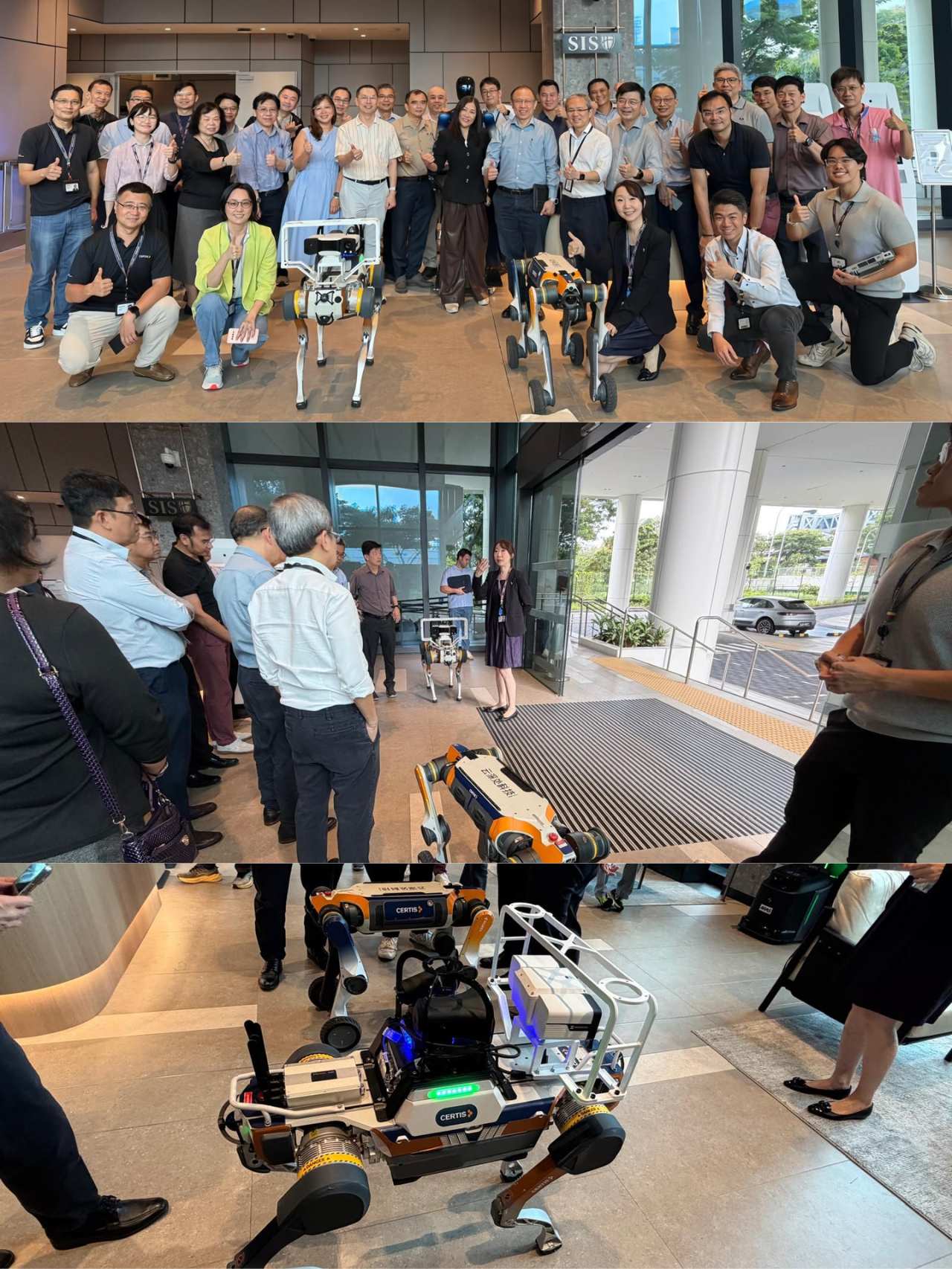
This is why the human resources function can no longer remain at the edge of enterprise change. People leaders must contribute before major decisions are finalized, not simply communicate those decisions after they have been made. Their responsibility is to translate corporate ambition into practical choices about work, skills, leadership, culture, structure, rewards, employee experience, and workforce capacity.
The need for this contribution is growing. Deloitte’s 2026 Global Human Capital Trends research found that seven in ten business leaders see being fast and nimble as their primary competitive strategy over the next three years. The same research identifies adaptability and the ability to orchestrate people and resources more effectively as major drivers of success.
Yet speed alone is not enough. Rapid activity can produce fragmented initiatives, exhausted employees, and competing priorities. Effective change requires clarity, sequencing, governance, and sustained leadership attention. HR provides value when it helps the organization connect commercial goals with the conditions employees need to perform differently.
What Is Organisational Transformation?
Organizational transformation is a fundamental shift in how an enterprise creates value and operates. It may affect the business model, organization design, technology, processes, decision rights, management systems, skills, culture, customer experience, or all of these areas at once.
This differs from incremental improvement. An incremental initiative may optimize an existing workflow, update a policy, or introduce a new tool without changing the wider operating model. Transformation alters the underlying system. It changes what work is performed, how it is coordinated, who has authority, which capabilities matter, and how success is measured.
Common triggers include:
- Digital disruption or artificial intelligence
- Merger, acquisition, or integration
- Business model redesign
- Rapid growth or international expansion
- Cost and productivity pressure
- Regulatory change
- Declining performance
- New customer expectations
- Leadership transition
- Cultural or reputational challenges
The trigger may be commercial, but the consequences are human. Employees may have to learn unfamiliar skills, collaborate across new boundaries, report to different leaders, use new systems, relocate, or reconsider their professional identity. Managers may have to lead teams while their own responsibilities are changing. Senior executives may need to abandon behaviours that were rewarded under the old model.
The Chartered Institute of Personnel and Development notes that change is driven by internal and external forces, including customers, markets, and technology. Its guidance also emphasizes the contribution of people professionals in helping change become effectively embedded rather than treated as a temporary programme.
A useful definition therefore goes beyond a new organization chart or system implementation:
Enterprise transformation is the coordinated redesign of strategy, work, structure, capability, behaviour, and management practices to achieve a materially different future state.
That definition makes one point clear: people considerations are not a separate workstream. They are part of the transformation itself.
Why Major Change Efforts Struggle to Last
Many programmes produce early momentum but fail to sustain their intended results. Leaders may announce a compelling vision, create a transformation office, and launch multiple initiatives, yet daily behaviour eventually returns to familiar patterns.
McKinsey research found that 56% of surveyed organizations achieved most or all of their initial transformation goals, but only 12% sustained those gains for more than three years. It also found that a significant share of potential financial value is lost during execution and the sustaining stages.
This gap between launch and lasting impact often appears for several reasons.
First, the strategy may not have been translated into specific changes in work. Employees hear broad ambitions such as “become digital,” “move faster,” or “put customers first,” but do not know which decisions, routines, or priorities should change.
Second, leaders may underestimate capability requirements. A new platform is introduced without building the data literacy, process ownership, customer judgement, or management skills needed to use it effectively.
Third, the formal structure may change while informal power remains untouched. New teams are created, but decisions still flow through old relationships. Employees learn that the official process and the real process are different.
Fourth, performance systems may continue rewarding yesterday’s behaviour. Collaboration is promoted, yet individual targets encourage competition. Innovation is requested, yet mistakes are punished. Faster decisions are expected, yet approval layers remain in place.
Finally, organizations may treat communication as the same thing as engagement. Information is sent, but concerns are not heard, local implications are unclear, and employees have little opportunity to influence implementation.
The human resources team can help surface these contradictions before they undermine progress.
The Strategic Role of HR in Enterprise Change
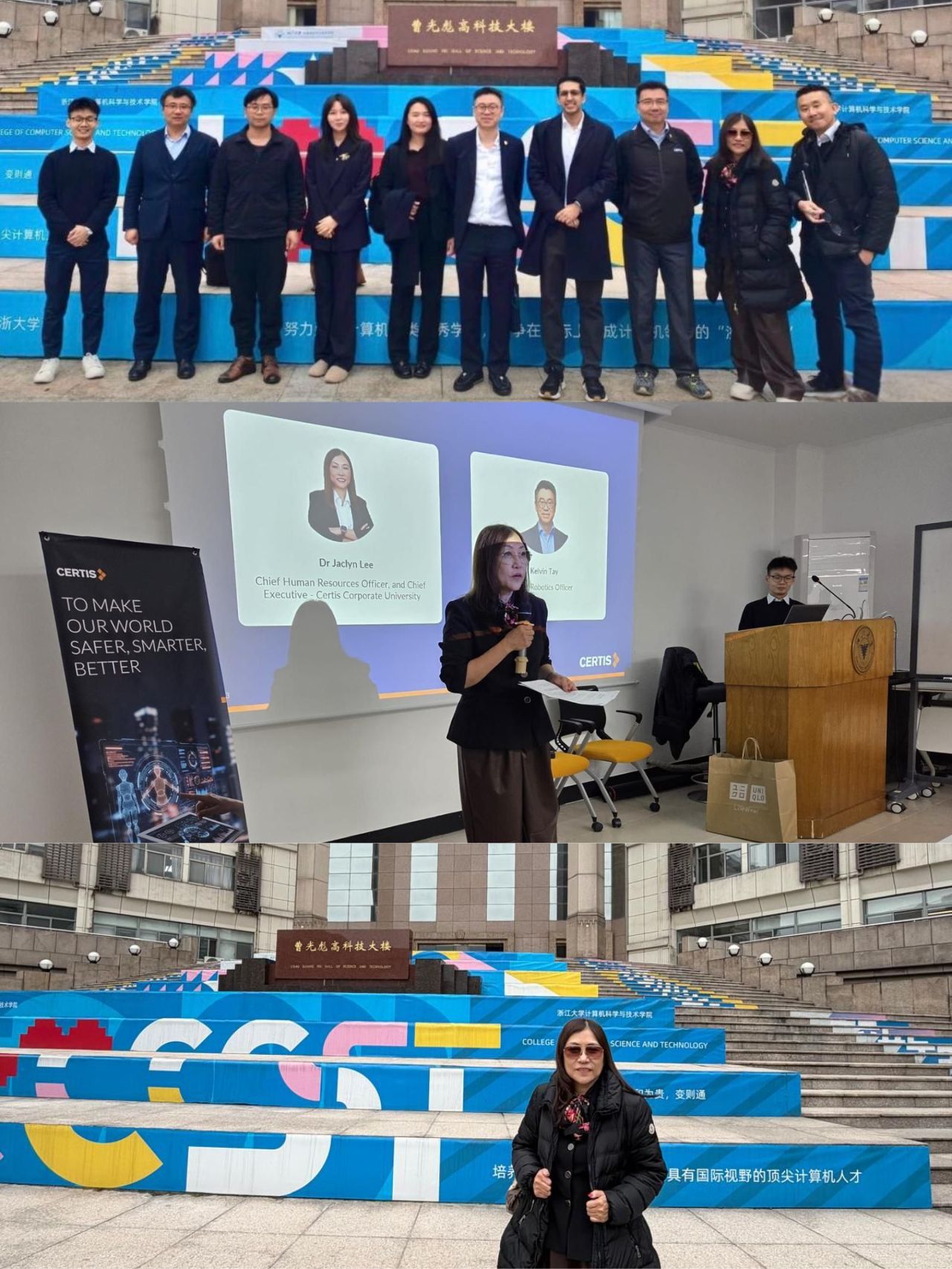
The modern people function should contribute across the entire transformation lifecycle. Its role is not limited to training, consultation, or staff announcements. It helps leaders understand whether the proposed future state is achievable with the available workforce and whether the organization is creating the conditions required for new behaviour to take hold.
Translating Strategy into Workforce Implications
Every strategic choice creates people consequences. Entering a new market may require local leadership, language capability, regulatory knowledge, and a different approach to talent supply. Automating a service process may reduce repetitive work while increasing demand for exception handling, customer judgement, data stewardship, and system governance.
HR should ask:
- What work will increase, decline, move, or disappear?
- Which jobs will be redesigned?
- What capabilities will become critical?
- Where could talent scarcity delay execution?
- Which leaders are equipped to guide the shift?
- What employee groups will experience the greatest disruption?
- Which cultural habits support or obstruct the future model?
- What costs, risks, and timelines are associated with the workforce transition?
These questions turn a strategic aspiration into an operating reality. They also help executives identify trade-offs before commitments become difficult to reverse.
Challenging the Business Case
A credible business case should include more than technology expenditure and expected cost savings. It should account for recruitment, reskilling, temporary productivity decline, leadership capacity, redeployment, retention risk, consultation requirements, and the time employees need to reach proficiency.
People leaders add value when they challenge assumptions that appear unrealistic. A proposal may expect immediate productivity gains even though teams must operate old and new systems in parallel. A restructuring may assume that responsibilities can be absorbed by remaining employees despite existing workload pressure. A regional expansion may rely on talent that is scarce in the chosen location.
Raising these issues is not resistance. It is strategic risk management.
Designing the Future Organization
Organization design determines how work, accountability, information, and authority are arranged. The HR function can help leaders move beyond simply redrawing reporting lines.
A sound design process considers:
- The capabilities required by the strategy
- The work that creates customer and enterprise value
- The location of decision rights
- The balance between central control and local responsiveness
- Layers, spans, interfaces, and coordination mechanisms
- Roles that own end-to-end outcomes
- The relationship between employees, technology, vendors, and partners
The new structure should reduce friction rather than redistribute it. A flatter hierarchy will not create agility if decision rights remain unclear. Cross-functional teams will not improve collaboration if incentives and budgets remain functionally isolated.
Aligning Change with Workforce Strategy
Transformation plans often describe technology, process, and financial outcomes in detail while giving limited attention to talent supply. This creates a gap between what the organization wants to achieve and what its people system can deliver.
A workforce strategy addresses that gap by defining how the company will build, buy, borrow, redeploy, retain, or automate the capabilities required for the future.
The process begins with demand. Leaders estimate what work must be performed under the proposed model, at what volume, in which locations, and at what proficiency. They then compare this with current and expected supply.
The analysis should identify more than numerical shortages. It should reveal:
- Capacity constraints
- Technical or behavioural skill gaps
- Leadership weaknesses
- Knowledge concentrated in a few individuals
- Roles with high retirement or turnover exposure
- Locations with limited labour supply
- Work that could be redesigned or removed
- Employees with adjacent capabilities who could transition
This is where strategic workforce planning becomes a practical transformation tool. It provides a bridge between the future operating model and the actions required to prepare people for it.
The World Economic Forum reports that employers expect 39% of workers’ core skills to change by 2030. Analytical thinking remains a leading priority, alongside resilience, flexibility, leadership, technological literacy, empathy, and continuous learning.
Organizations should not copy a generic list of future skills. They should translate external trends into their own context. A bank, manufacturer, healthcare provider, professional-services firm, and public agency may all need digital capability, but the required application and risk profile will differ.
A Practical Eight-Stage HR Transformation Framework
1. Establish the Case for Change
Employees are more likely to support a transition when the problem is specific, credible, and connected to reality. The case should explain why the current model is no longer sufficient, what risks arise from inaction, what the future state should achieve, and how different groups may be affected.
HR can test whether the narrative is understandable at every level. Senior executives may be motivated by margin, growth, resilience, or shareholder value. Frontline employees may need to understand how the change affects customers, workload, job security, career opportunities, and daily decisions.
A strong narrative does not hide uncertainty. It distinguishes what has been decided from what remains open for input.
For example, an organization might explain that customer demand is moving towards digital self-service, requiring faster response times and more personalized support. This gives employees a clearer reason for the shift than simply stating that the company is modernizing.
The case for change should also include the cost of remaining the same. Employees may not understand why disruption is necessary when the existing business still appears profitable. Leaders must explain how market, customer, technology, regulatory, or talent conditions could weaken performance over time.
2. Diagnose Workforce Readiness
Before implementation, the organization should assess whether employees, managers, and systems are ready.
A readiness assessment may examine:
- Understanding of the business rationale
- Confidence in senior leadership
- Current workload and change fatigue
- Availability of critical skills
- Manager capability
- Quality of workforce data
- Employee relations exposure
- Technology confidence
- Previous change experience
- Cultural barriers
- Learning capacity
- Local differences between teams or markets
This diagnosis should combine quantitative data with interviews, focus groups, observation, and manager input. A survey may show low confidence, but discussion is needed to understand whether the cause is unclear direction, previous broken promises, poor local leadership, or fear of job loss.
Readiness should not be treated as a single enterprise-wide score. Different employee groups can experience the same initiative differently.
A head-office team may have received months of information and preparation, while frontline employees hear about the change shortly before implementation. A market with experienced managers may adapt quickly, while another location may lack the leadership capacity to support employees.
Understanding these differences allows HR to provide targeted support rather than applying a standard intervention across every part of the company.
3. Define the Future Work and Capability Model
The future-state design should describe work before it describes jobs. Teams can break services or processes into activities and ask which should remain human-led, be augmented by technology, become automated, move to a partner, or stop entirely.
This task-level approach is especially important when introducing AI. Technology may not remove a complete occupation, but it can change the proportion of time spent on administration, analysis, judgement, relationship management, and quality assurance.
The capability model should specify what employees must be able to do and the proficiency required. Broad labels such as “digital mindset” or “collaboration” are not sufficient. Capabilities should be observable and connected to outcomes.
For example, instead of listing “data skills,” the organization might require managers to interpret operational dashboards, challenge data quality, explain uncertainty, and use evidence when allocating resources.
Instead of listing “innovation,” it might require employees to identify customer problems, test small solutions, evaluate results, and recommend whether an idea should be expanded or stopped.
Clear capability definitions improve recruitment, assessment, learning, career planning, performance management, and succession decisions.
4. Develop the Talent Transition Plan
Once gaps are visible, leaders need an integrated portfolio rather than a recruitment list.
Possible actions include:
- Reskilling employees for emerging work
- Upskilling people whose current roles will expand
- Redeploying talent from declining activities
- Hiring expertise that does not exist internally
- Using contractors for temporary or specialist needs
- Creating partnerships with educational institutions
- Retaining employees who hold scarce knowledge
- Redesigning roles around human and machine strengths
- Building succession for critical leadership positions
- Supporting fair exits where roles cannot continue
Each action should include ownership, funding, timing, target populations, expected outcomes, and risks.
The plan should also identify transition roles. During a large system change, for example, the company may need process owners, subject-matter experts, trainers, data-cleansing teams, local champions, and temporary support capacity. These requirements may not exist in the final organization, but they are essential during implementation.
Organizations should also consider the order in which actions occur. Employees cannot be redeployed into new positions until the roles have been defined, development pathways created, and managers prepared to release internal talent.
Similarly, hiring new specialists may not produce value if the company has not resolved unclear responsibilities or outdated decision processes.
5. Equip Leaders and Managers
Senior sponsorship is necessary, but employees experience change primarily through their immediate managers. Managers explain local implications, allocate work, respond to emotion, coach new behaviour, and identify operational problems.
They are also frequently overloaded. They may be expected to sustain performance while attending programme meetings, learning new processes, supporting worried employees, and dealing with their own uncertainty.
HR should provide managers with:
- A clear change narrative
- Role-specific talking points
- Decision boundaries
- Frequently asked questions
- Escalation routes
- Coaching skills
- Guidance for difficult conversations
- Workload support
- Feedback mechanisms
- Recognition for effective leadership
Leadership behaviour must also be consistent with the message. McKinsey found that transformations were 5.3 times more likely to succeed when leaders modelled the behaviour they wanted employees to adopt.
Visible behaviour is more credible than slogans. If leaders say that decisions should move faster, they must remove unnecessary approvals. If collaboration matters, they must share information and resolve competing incentives. If learning is essential, they must give employees time to practise.
Executives should also remain visible after the launch. Employees quickly notice when senior leaders move on to the next priority while expecting everyone else to continue the work.
Sponsorship should therefore include regular communication, progress reviews, removal of obstacles, recognition of desired behaviour, and accountability when leaders undermine the new direction.
6. Build Meaningful Employee Participation
Engagement is not simply telling employees what will happen. It creates structured opportunities for people to understand, question, test, and improve the proposed change.
Employees often know where workflows fail, which customer needs are being missed, and which informal practices keep operations functioning. Their input can improve design while identifying risks that senior teams cannot see.
Participation can include:
- Design workshops
- Pilot teams
- Listening sessions
- Employee advisory groups
- Process-mapping exercises
- Local change networks
- Digital feedback channels
- Retrospectives after implementation stages
Not every decision can be open for consultation. Leaders should be clear about where employees can influence the outcome and where constraints already exist. False participation damages trust more than direct communication.
Employee involvement also improves practical implementation. People who help test a new process can identify unclear instructions, duplicated steps, system limitations, and customer problems before the approach is scaled.
This does not mean every suggestion must be adopted. It means leaders should evaluate input seriously and explain the reasoning behind final decisions.
7. Align Culture and Management Systems
Culture is reinforced by repeated signals about what receives attention, reward, tolerance, and promotion. Posters and values statements will not shift behaviour when systems tell employees to act differently.
HR should review whether the following support the intended direction:
- Performance goals
- Leadership selection
- Promotion criteria
- Recognition
- Pay and incentives
- Learning priorities
- Meeting routines
- Resource allocation
- Recruitment standards
- Decision-making processes
- Consequences for harmful behaviour
Suppose a company wants greater experimentation. Employees will still avoid risk if every unsuccessful test damages performance ratings. Suppose leaders want collaboration across functions. Teams will protect information if budgets and recognition reward only local results.
Cultural change becomes practical when desired behaviour is translated into management routines and consequences.
The organization should define a small number of behaviours that directly support the strategy.
For example:
- Raise risks early rather than hiding problems.
- Use customer evidence when making decisions.
- Resolve issues at the lowest appropriate level.
- Share information across functional boundaries.
- Test ideas before making large investments.
- Hold leaders accountable for developing talent.
These behaviours are more useful than broad values because employees can observe and apply them.
8. Measure Adoption, Outcomes, and Sustainability
Transformation measurement should go beyond milestone completion. Finishing a system rollout does not prove that the system is being used well. Delivering training does not prove that capability has improved.
A balanced scorecard may include:
Business outcomes: revenue, cost, productivity, customer experience, quality, risk, speed, and innovation.
Workforce outcomes: retention, internal mobility, critical-skill coverage, time to proficiency, leadership readiness, and employee experience.
Adoption indicators: use of new tools, compliance with redesigned processes, decision speed, behaviour change, and participation.
Sustainability indicators: continued performance after programme closure, ownership transferred into business routines, and the ability to adapt without restarting the entire initiative.
Measures should distinguish activity from impact. The number of employees trained is an activity. The percentage applying a new capability independently is an outcome.
Leaders should also examine unintended consequences. A new process may improve speed while reducing quality. A cost-saving measure may lower headcount but increase overtime and turnover. A new technology may improve productivity for one function while creating additional administrative work elsewhere.
Measurement should help leaders learn and adjust, not merely demonstrate that the original plan was correct.
Culture as an Operating System for HR and Organisational Transformation
Culture is often discussed as though it were an abstract set of values. In practice, it is visible in how decisions are made, conflict is handled, information is shared, leaders respond to bad news, and employees learn what is safe.
A transformation may require several cultural shifts:
- From control to accountability
- From functional protection to shared outcomes
- From perfection to disciplined experimentation
- From information ownership to transparency
- From seniority-based authority to expertise-based contribution
- From annual planning to continuous adaptation
- From activity measurement to customer and business value
HR can help leaders identify the few behavioural shifts that matter most. Attempting to change an entire culture at once usually produces vague campaigns. A more effective approach focuses on specific moments that shape performance.
For example, a company seeking faster innovation may focus on how projects are approved, how leaders respond to early failure, and how resources are moved towards promising ideas.
A customer-focused transformation may focus on complaint escalation, frontline authority, and whether customer evidence is used in executive decisions.
The people function should also protect cultural strengths. Transformation does not require rejecting everything from the past. Long-standing practices may preserve trust, safety, quality, or customer loyalty. The goal is to retain what supports the future while changing what limits it.
Culture should therefore be diagnosed rather than labelled. Describing a culture as “resistant” or “traditional” provides little guidance. Leaders need to understand which specific behaviours, assumptions, and systems are creating the problem.
Managing Resistance, Uncertainty, and Change Fatigue
Resistance is often treated as a negative employee attitude. In reality, it can provide information. Employees may oppose a proposal because they do not understand it, do not trust the sponsor, foresee operational risk, feel overloaded, or believe the promised future conflicts with their experience.
The average employee now experiences ten planned change programmes each year, according to research discussed by McKinsey, five times the level reported a decade earlier. This level of repeated disruption helps explain why even well-designed initiatives may encounter fatigue.
HR can help leaders distinguish between different responses:
- Confusion: Employees need clearer information.
- Capability anxiety: They need learning, practice, or coaching.
- Loss of control: They need participation and clarity about decisions.
- Distrust: Leaders need consistency, transparency, and follow-through.
- Workload pressure: The programme needs prioritization or additional capacity.
- Identity loss: Employees need support to understand their place in the future.
- Legitimate challenge: The design may need to change.
Listening should lead to action. Repeatedly collecting feedback without explaining what was changed, what was not, and why can make employees more cynical.
Organizations should also manage the total portfolio of change. Different programmes may compete for the same managers, subject-matter experts, training time, communication channels, and employee attention.
A central view helps leaders sequence initiatives and stop lower-value work. This can be more effective than asking employees to become increasingly resilient while the company continues adding new demands.
HR’s Role in Digital and AI-Enabled Transformation
Digital initiatives fail when they are treated as technology installations rather than changes to work.
AI makes this issue more significant because it can affect judgement, accountability, job content, skills, privacy, trust, and the distribution of decision-making. HR should work with technology, legal, risk, and business teams from the beginning.
Important questions include:
- Which tasks are suitable for automation or augmentation?
- Where must human accountability remain explicit?
- What new skills will employees and managers need?
- How will work quality be evaluated?
- What data will be used, and how will privacy be protected?
- Could the system reproduce bias?
- How will employees challenge an output?
- What happens when the tool is wrong?
- How will productivity gains be reinvested or allocated?
- Which jobs should be redesigned rather than removed?
The goal should be work redesign, not technology adoption for its own sake.
Consider an HR service centre. Generative AI may answer routine questions and draft responses. Employees can then spend more time resolving complex cases, interpreting policy, coaching managers, and identifying recurring issues.
However, this improvement depends on accurate knowledge sources, escalation rules, quality checks, and employees who know when not to trust an automated response.
The same principle applies across finance, marketing, operations, customer service, and professional work. Human judgement becomes more valuable when routine production is accelerated, but only if roles and expectations are redesigned accordingly.
Leaders should also avoid presenting AI solely as a cost-reduction tool. Employees are more likely to engage constructively when they can see how technology may remove repetitive work, improve decisions, support customers, or create new career opportunities.
Building Leadership Capability for the Future State
Leadership development should be tied to the behaviours and decisions required by the new model.
A transformation may require leaders to:
- Make decisions with incomplete information
- Lead across functions and geographies
- Manage hybrid human-machine workflows
- Coach employees through role changes
- Create psychological safety
- Hold difficult performance conversations
- Allocate resources dynamically
- Communicate uncertainty without creating confusion
- Balance speed, ethics, and risk
- Learn in public and adjust course
Traditional programmes that focus mainly on classroom content may not be enough. Leaders need applied experiences, feedback, coaching, peer learning, simulations, and accountability for behaviour in real work.
Succession planning should also reflect future requirements rather than past performance alone. A person who succeeded in a stable, hierarchical environment may not automatically be prepared to lead a more agile and technology-enabled organization.
Potential should be assessed against future complexity, learning agility, values, judgement, and the ability to mobilize others.
Middle managers require particular attention. They often carry responsibility for implementation but have limited influence over programme design. They may also receive conflicting instructions from business-as-usual operations and the transformation team.
Preparing this group early can reduce confusion, improve employee communication, and surface problems before they become widespread.
Strengthening Talent Pipelines During Transformation
Large-scale change often creates demand faster than external recruitment can respond. A sustainable talent pipeline gives the organization multiple ways to access capability.
Internal mobility is particularly valuable. Employees already understand customers, products, systems, and culture. With targeted development, people with adjacent experience may move into new roles more quickly than an external candidate can become fully effective.
Effective pathways can include:
- Skills and interest assessment
- Foundational learning
- Guided practice
- Project assignments
- Mentoring or coaching
- Proficiency assessment
- Deployment into real work
This approach is stronger than relying on course completion. It produces evidence that employees can apply what they have learned.
External partnerships can supplement internal development. Universities, polytechnics, professional associations, industry networks, apprenticeships, and specialist providers can create earlier access to scarce skills.
Retention also deserves attention. Employees with critical knowledge are often asked to carry additional responsibilities during change, making them vulnerable to burnout or external offers.
Leaders should identify these populations and address workload, recognition, career opportunity, and knowledge transfer.
A talent pipeline should not focus only on senior leaders. Technical specialists, operational experts, customer relationship managers, data owners, project leaders, and experienced frontline employees may hold knowledge that is essential to the future model.
Using People Analytics to Improve Decisions
People analytics can help leaders understand readiness, predict constraints, and evaluate whether interventions are working. The strongest analysis begins with a business question rather than an available dashboard.
Useful questions include:
- Which critical roles have the highest vacancy or departure risk?
- Where is workload creating burnout or quality problems?
- Which employees possess adjacent skills for emerging jobs?
- Which teams show low confidence in the change?
- How long does it take people to reach proficiency?
- Are development investments leading to deployment?
- Where are contractor costs masking permanent capability gaps?
- Which managers are enabling adoption?
- Where is the new operating model producing better outcomes?
Workforce data should be combined with operational, customer, finance, and project information. Headcount alone cannot explain whether work is effective.
For example, a team with high overtime may appear understaffed. Further analysis may show that employees spend a large amount of time correcting poor-quality information or waiting for approvals.
The solution may be process redesign rather than additional recruitment.
Ethics and governance are essential. Data should be relevant, secure, and interpreted carefully. Predictive models can amplify historical bias or create false certainty.
Employees should understand how sensitive information is being used and how decisions can be reviewed.
Analytics should support judgement, not replace accountability.
Common Mistakes HR Leaders Should Avoid
Joining Too Late
When HR enters after the strategy and operating model have been finalized, many workforce options have already disappeared. Early involvement allows the company to test capability, cost, labour-market, culture, and leadership assumptions.
Treating Communication as a Campaign
A launch video, email series, and town hall may create awareness but not adoption. Communication should continue through local conversations, manager support, feedback, and visible action.
Focusing Only on Headcount Reduction
Cost may be a legitimate objective, but indiscriminate cuts can remove critical knowledge, weaken future capability, and increase workload. Leaders should redesign work before deciding how many positions are required.
Training Without Creating Opportunity
Employees become frustrated when they complete reskilling programmes but cannot move into relevant work. Learning should be linked with projects, vacancies, assessment, and deployment.
Ignoring Middle Managers
Managers can become a bottleneck when they lack information, authority, time, or confidence. They need to be treated as a critical implementation group, not merely a communication channel.
Measuring Activity Instead of Behaviour
Meetings held, messages sent, and courses completed do not show whether the future model is working. Metrics should examine proficiency, adoption, decisions, customer outcomes, and sustained performance.
Trying to Change Everything at Once
A long list of cultural values and capability priorities diffuses attention. Leaders should identify the few shifts most critical to the strategy and reinforce them consistently.
Ending the Programme Too Early
Transformation does not become self-sustaining when the project office closes. Accountability, measures, leadership routines, and resources must transfer into normal operations.
Assuming Resistance Is an Employee Problem
Employees may be responding rationally to poor communication, unrealistic workload, inconsistent leadership, or a flawed design. Leaders should examine the system before blaming attitudes.
Failing to Remove Old Processes
New tools and behaviours are often added without stopping old reporting requirements, meetings, approvals, or systems. Employees then face more work rather than better work.
A successful transition should clearly identify what will stop, not only what will begin.
A 100-Day Action Plan for HR Leaders
Days 1–20: Understand the Strategic Intent
Clarify the business problem, expected value, scope, timing, constraints, and assumptions. Identify the decisions already made and those still open.
Map the sponsors, affected populations, critical managers, employee representatives, and functions that must contribute.
Ask whether the transformation narrative is specific enough to guide workforce decisions. Broad ambitions should be translated into clear operational changes.
Days 21–40: Diagnose the Current State
Assess skills, roles, workload, structure, culture, leadership capacity, employee sentiment, and change history.
Identify vulnerable populations, knowledge concentration, talent scarcity, and competing initiatives.
Review whether existing workforce data is reliable enough to support decisions. Where information is incomplete, document assumptions and use interviews or workshops to fill important gaps.
Days 41–60: Design the People Transition
Define future work, capabilities, roles, decision rights, and behavioural expectations. Estimate demand and supply under several scenarios.
Build an intervention portfolio covering development, hiring, redeployment, retention, organization design, and technology.
Identify which actions must begin early because they have long lead times. Leadership development, specialist reskilling, and external talent partnerships may require months or years to produce results.
Days 61–80: Prepare Leaders and Employees
Create the change narrative, manager resources, learning pathways, feedback channels, employee participation mechanisms, and escalation routes.
Pilot critical elements with representative teams and revise the design using operational evidence.
Ensure that managers understand not only what to communicate but also what decisions they can make, where to seek support, and how to respond when employees raise concerns.
Days 81–100: Mobilize and Establish Governance
Launch priority actions with owners, budgets, milestones, and measures. Establish a cross-functional governance group.
Track business results, workforce outcomes, adoption, and risks. Set review points and define the conditions that would trigger a change in direction.
The end of the first 100 days should not be treated as the end of the work. It should mark the point at which governance, implementation, and continuous learning are operating effectively.
The Perspective of Dr Jaclyn Lee on People-Led Transformation
Dr Jaclyn Lee’s leadership perspective places the people function within the strategic core of business change. This viewpoint is important because transformation cannot be sustained through systems, structure, or executive announcements alone.
The HR leader must understand the organization as a connected system. Workforce capability affects execution. Leadership behaviour shapes trust. Culture influences whether employees speak honestly about risks. Performance systems determine which behaviours survive. Career opportunities influence whether critical talent stays.
This systems perspective allows HR to move beyond implementing programmes and become a strategic adviser to the executive team.
It also requires courage. People leaders may need to challenge unrealistic timelines, expose capability gaps, question whether leadership behaviour matches the stated values, or explain why a proposed restructure could weaken the business.
The purpose is not to slow progress. It is to make change executable and sustainable.
A people-led approach does not place employee comfort above business performance. It recognizes that clarity, capability, fairness, participation, and trust are conditions that enable performance during uncertainty.
The perspective also highlights the importance of integrating culture, leadership, and workforce decisions. Treating these areas as separate HR initiatives can produce fragmented results.
Leadership development should reinforce the desired culture. Performance management should support the new operating model. Learning should address future capability needs. Recruitment should reflect the behaviours and skills required for the next stage of growth.
When these elements support the same strategic direction, the organization is more likely to sustain change after the initial programme ends.
Looking Ahead For HR and Organisational Transformation
The future of transformation will be more continuous, technology-enabled, and interconnected. Companies will need to redesign work repeatedly rather than complete one programme and return to stability.
The most capable organizations will build an internal ability to sense change, make decisions, shift resources, develop new skills, and adapt management practices without exhausting the workforce.
HR will be central to that capability when it can combine commercial understanding with expertise in work, talent, leadership, culture, analytics, and employee experience.
The people function should therefore be judged not only by service delivery or programme completion. It should be evaluated by whether the organization has the leadership, capacity, skills, trust, and adaptability required to deliver its strategy.
When these elements are aligned, transformation becomes more than a temporary initiative. It becomes an organizational capability.
Frequently Asked Questions
What is the role of HR in organizational transformation?
HR connects business strategy with workforce capability, organization design, leadership, culture, employee experience, and change implementation. It helps leaders determine how work must change and how people can move successfully into the future model.
Why should HR be involved early?
Early involvement allows workforce costs, skills, labour supply, leadership readiness, cultural barriers, and employee risks to be considered before key decisions are fixed. This gives the organization more options and reduces expensive rework.
How can HR support digital transformation?
The people function can identify changing tasks, redesign jobs, assess skills, create learning pathways, support adoption, establish workforce policies, and work with technology and risk teams on responsible implementation.
What is the difference between change management and transformation?
Change management supports the adoption of a particular change. Transformation is a broader redesign of how the enterprise operates and creates value. A major programme may require several change-management efforts across different functions and employee groups.
How does culture affect transformation success?
Culture shapes everyday decisions and behaviour. When incentives, leadership actions, and management systems conflict with the intended future, employees usually return to old ways of working.
What workforce data should HR analyse?
Useful data includes roles, skills, vacancies, turnover, internal movement, workforce cost, workload, engagement, leadership readiness, learning outcomes, succession, productivity, and adoption of new processes or tools.
How can organizations reduce resistance?
They can explain the business case clearly, involve employees where genuine input is possible, equip managers, address workload and capability concerns, listen to feedback, and ensure leaders behave consistently with the message.
What metrics show whether transformation is working?
Relevant measures include business performance, customer outcomes, productivity, critical-skill coverage, time to proficiency, internal mobility, retention, adoption of new practices, leadership behaviour, employee confidence, and sustained results after formal implementation ends.
How should HR approach employees whose roles may disappear?
The organization should communicate honestly, follow fair and lawful processes, assess opportunities for redeployment or reskilling, provide practical transition support, and treat affected employees with dignity.
What makes transformation sustainable?
Sustainability depends on clear ownership, aligned incentives, capable managers, embedded routines, continued measurement, adequate resources, and leaders who reinforce the new way of working after the programme team steps back.
How can smaller organizations manage enterprise change?
Smaller companies can begin with one business priority, identify the most important workforce implications, consult employees, and create a focused action plan. Sophisticated software is not required. Clear decisions, reliable information, and leadership follow-through matter more.
How long does organisational change take?
The timeline depends on the size, complexity, and scope of the initiative. Technology implementation may occur within months, while behavioural, leadership, and cultural changes can require several years of consistent reinforcement.
What is the role of managers during transformation?
Managers translate enterprise direction into local action. They explain priorities, coach employees, manage workload, identify problems, reinforce behaviour, and provide feedback to programme leaders.
How does strategic workforce planning support transformation?
It identifies the capacity, capabilities, roles, leadership, and talent supply required by the future operating model. It also helps leaders decide whether to develop, recruit, redeploy, retain, redesign, partner, or automate.
Why do employees lose trust during change?
Trust may decline when leaders provide inconsistent messages, avoid difficult questions, fail to follow through, conceal workforce implications, or ask employees to adopt behaviours that executives do not demonstrate themselves.
Can culture be changed through training?
Training can support awareness and capability, but it cannot shift culture on its own. Sustainable change requires aligned leadership behaviour, incentives, performance systems, decision processes, recruitment standards, and consequences.
