
Trust is no longer a soft cultural concept that can be left to annual engagement campaigns or leadership slogans. It is an operating condition that influences how quickly decisions are accepted, how openly problems are raised, how confidently people contribute, and how effectively a workforce responds to disruption. That is how to build trust in organisations.
Employees form judgements about their employer every day. They notice whether managers explain difficult choices, whether policies are applied consistently, whether feedback leads to visible action, and whether senior executives behave in ways that match stated values. These experiences shape confidence more powerfully than any mission statement.
For human resources leaders, the question is therefore not whether confidence matters. The real challenge is how to design an environment in which credibility is repeatedly earned across the employee lifecycle.
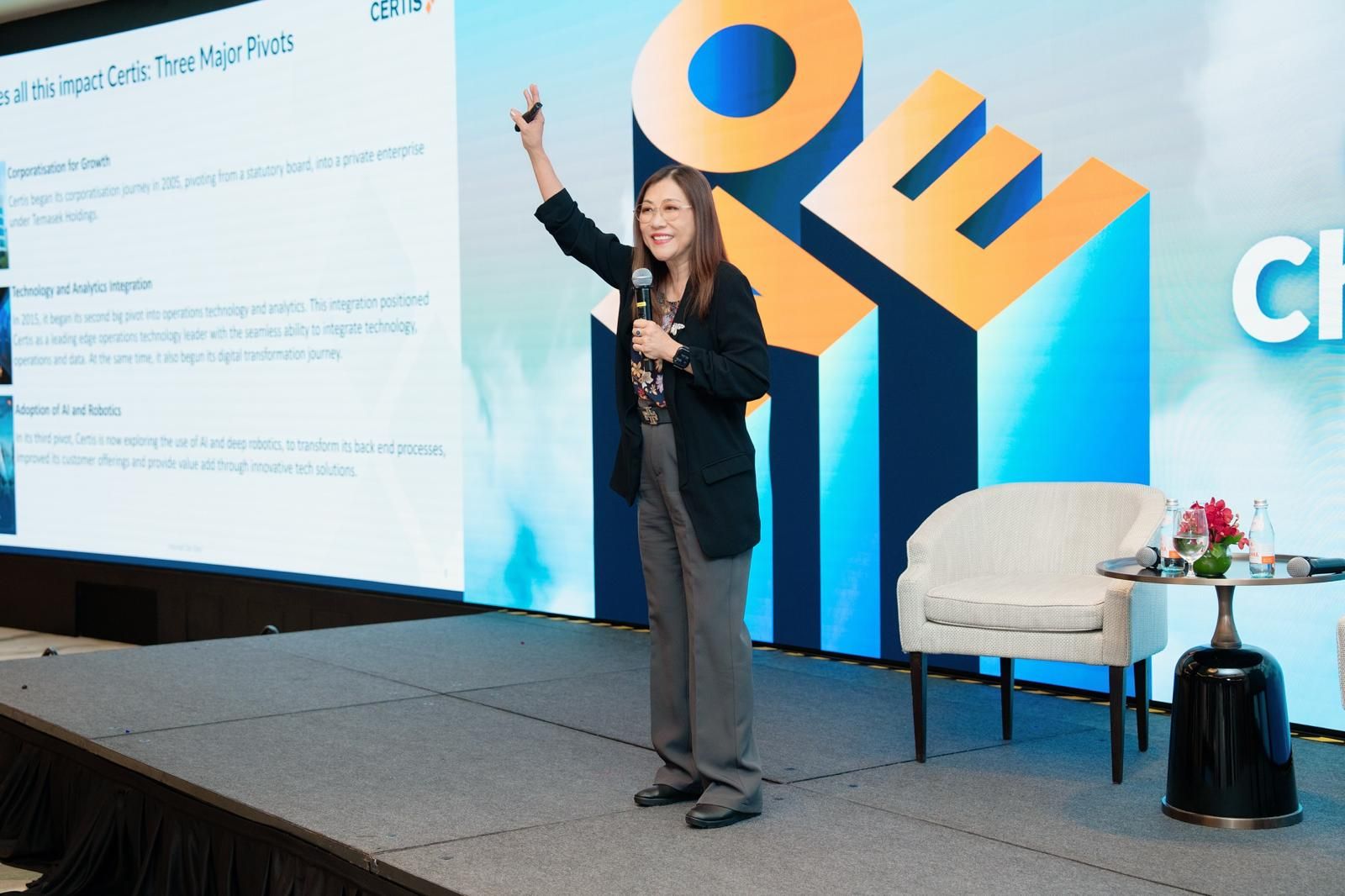
Dr Jaclyn Lee brings a distinctive perspective to this issue. With more than 25 years of experience spanning HR strategy, digital transformation, organisational culture, workforce development, and large-scale change, she has consistently emphasised that people strategy must be built from the business outward. That principle matters because workplace confidence cannot be created by HR in isolation. It emerges when business priorities, leadership conduct, employee experience, and people systems reinforce one another. amines how HR can build trust in organizations by turning an abstract value into a practical leadership and workforce capability.
What Trust Means at Work: Steps to Build Trust in Organisations
Confidence inside a company is often described as a feeling, yet it is produced by observable conditions. People are more likely to believe in an employer when they see reliability, honesty, competence, fairness, care, and accountability demonstrated over time.
These dimensions are related, but they are not identical.
An employee may respect a senior executive’s technical ability while doubting whether that person will communicate openly. A team may appreciate a manager’s empathy while questioning whether performance standards are applied evenly. Staff may believe that the company has good intentions while remaining uncertain about whether promises will be fulfilled.
This is why broad statements such as “we value our people” are insufficient. Workers evaluate the employment relationship through evidence. They ask, consciously or unconsciously:
- Do leaders tell us what they know without pretending to have every answer?
- Are expectations clear enough for us to succeed?
- Will the same standards apply to different levels and functions?
- Can concerns be raised without retaliation or embarrassment?
- Are commitments tracked and completed?
- Do decisions reflect the principles promoted by the company?
- Is personal information handled responsibly?
- Will the organisation support development, mobility, and fair opportunity?
The answers form a cumulative judgement. Credibility grows when positive signals are consistent. It weakens when words and lived experience diverge.
A workplace may have sophisticated policies, attractive benefits, and well-designed internal communications while still suffering from low confidence. This happens when formal promises are contradicted by everyday behaviour.
A company may say that collaboration matters while rewarding only individual outcomes. It may promote wellbeing while allowing unsustainable workloads to continue. It may encourage staff to speak up but respond defensively when someone questions a senior decision.
Employees notice these contradictions. They learn which messages are genuine and which are primarily symbolic.
Why This Has Become a Strategic Workforce Issue
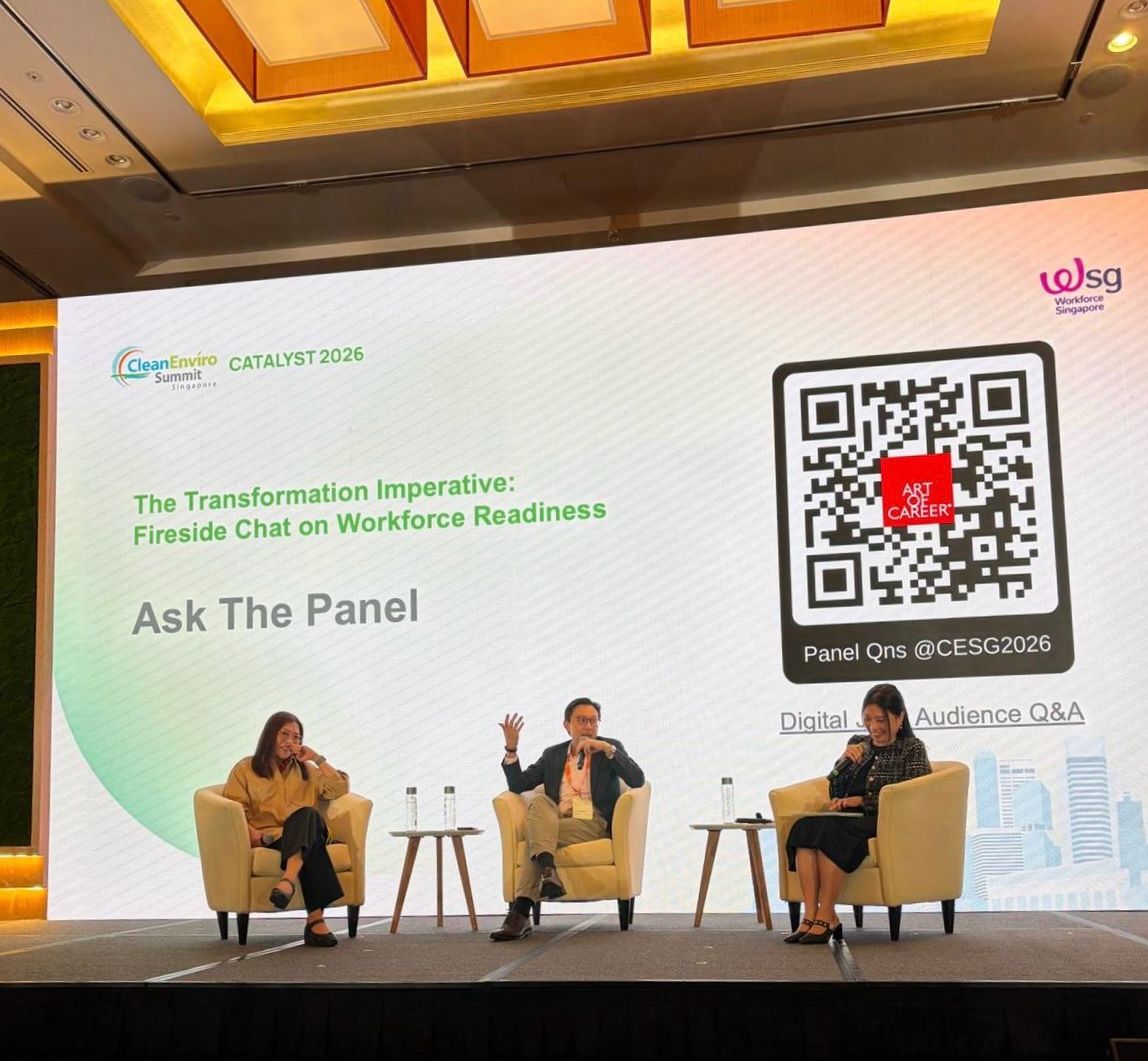
Modern employment relationships are more complex than they were a generation ago. Many teams now operate across locations, time zones, employment arrangements, age groups, cultures, and digital platforms. Employees may have fewer informal opportunities to observe senior leaders directly. At the same time, internal decisions can be discussed publicly within minutes.
AI (Artificial intelligence) is changing job design, skills requirements, information access, and performance expectations. Hybrid arrangements have altered how visibility and contribution are interpreted. Restructuring, automation, economic uncertainty, and skills disruption have made workers more attentive to the intentions behind management decisions.
In this environment, credibility reduces organisational friction.
When people believe that leaders are capable and acting in good faith, they can process difficult news with greater openness. They may not agree with every decision, but they are more willing to examine the rationale.
When confidence is low, even sensible initiatives can attract suspicion. Employees may assume hidden motives, delay cooperation, withhold concerns, or wait for evidence that a programme will disappear.
The practical consequence is significant. A sound strategy can fail because people do not believe the messengers, the process, or the promised outcome. HR must therefore treat confidence as part of execution, not merely as a cultural aspiration.
This is particularly important during periods of transformation. Executives may focus on whether a new system, operating structure, or business model is technically correct. Employees are also evaluating whether the transition has been explained honestly, whether the impact is being handled responsibly, and whether management will provide adequate support.
The quality of the strategy and the credibility of its implementation cannot be separated.
Dr Jaclyn Lee’s Leadership Perspective: People Strategy Must Connect to Business Reality

A recurring theme in Dr Lee’s work is that HR should remain close to business decisions rather than waiting to be briefed after priorities have already been set. This approach strengthens credibility in two ways.
First, it allows the people function to anticipate workforce implications before a major announcement. HR can challenge unrealistic timelines, identify capability gaps, assess employee impact, and prepare managers for difficult conversations. This reduces the risk of confusing or contradictory messages.
Second, it helps employees experience HR as a strategic function that understands operational reality. Staff are less likely to dismiss a people initiative as corporate theatre when policies, resources, and leadership expectations clearly support the organisation’s direction.
The implication is important: confidence is not created by making every decision popular. It is created by ensuring that choices are coherent, explainable, responsibly implemented, and aligned with stated principles.
A difficult decision can still be credible when employees understand why it was necessary, how alternatives were evaluated, and what support will be provided.
By contrast, even a positive initiative can attract scepticism when it appears disconnected from actual workloads, manager behaviour, or business priorities.
The TRUST Operating Model for HR Leaders
A practical way to structure this work is through five connected disciplines: Transparency, Reliability, Understanding, Systems integrity, and Two-way dialogue.
Together, they create an operating model that moves the subject from intention to execution.
1. Transparency: Explain the Decision, Not Only the Outcome
Many companies communicate decisions as finished announcements. Employees are told what will happen, when it will happen, and what action is required. What is often missing is the reasoning.
A transparent communication approach provides context. It explains the business problem, the options considered, the constraints involved, the criteria used, and the expected impact on different groups. It also distinguishes confirmed facts from matters still under review.
This does not mean disclosing confidential information or sharing every internal debate. Responsible openness has boundaries. The objective is to provide enough context for people to understand how management reached a conclusion.
During uncertainty, HR can help executives communicate through four simple questions:
- What do we know?
- What remains uncertain?
- What are we doing next?
- When will employees receive another update?
Silence creates an information vacuum. Vacuums are quickly filled by speculation, incomplete messages, and informal interpretations. Regular updates preserve credibility even when leaders cannot provide a final answer.
Transparency must also include the difficult parts. If a transformation will eliminate some tasks, change reporting lines, or require new capability, overly positive language may feel manipulative.
Employees generally recognise when communication has been polished to avoid discomfort. Clear language shows respect.
The timing of communication is equally important. A message that arrives after employees have already heard rumours or discovered a change through another channel creates the impression that management is reacting rather than leading.
HR should therefore establish clear communication protocols for major workforce decisions. These protocols should identify who needs to know, in what sequence, through which channels, and with what supporting information.
Managers should receive enough preparation to answer reasonable questions without being asked to repeat scripted language they do not fully understand.
2. Reliability: Make Follow-Through Visible
A promise has little value without delivery. Small commitments often matter as much as major ones because they signal whether leadership can be depended upon.
Consider what happens after a staff survey. Employees invest time and candour. Leaders present the findings, thank participants, and announce focus areas. Months later, there is no update.
Even when work is happening behind the scenes, the absence of visible progress suggests that input was collected without consequence.
HR can prevent this by establishing a commitment register. Each promise should have an owner, deadline, progress status, and communication plan.
Not every commitment will be completed exactly as intended. Circumstances change. What matters is that delays, revisions, and trade-offs are explained.
Reliability also requires consistency between levels. Senior executives may announce a new philosophy, but workers experience it through line managers. If local behaviour contradicts enterprise messages, employees will believe what they encounter directly.
The people function should therefore translate broad commitments into manager actions.
A value such as empowerment must be reflected in decision rights. A statement about wellbeing should influence workload and staffing. A pledge to develop talent should appear in career conversations, mobility processes, and learning investment.
Companies should also examine the number of promises they make. An organisation that launches too many initiatives may unintentionally weaken confidence because employees see priorities change before earlier work is completed.
Disciplined leadership means making fewer commitments, assigning clear ownership, and providing visible evidence of progress.
3. Understanding: Listen Before Designing the Solution
Listening is often presented as a communication skill. In workforce strategy, it is also a diagnostic capability.
This people-first approach emphasises that leaders must understand the realities of work at ground level. This is particularly important in large, distributed, frontline, or multilingual environments, where headquarters may not see the obstacles employees face.
HR should use multiple listening channels because no single method captures the full picture.
Engagement surveys provide scale. Focus groups reveal context. One-to-one conversations surface sensitive concerns. Exit interviews identify recurring causes of departure. Operational data may reveal workload, mobility, attendance, or learning barriers that employees do not describe directly.
The quality of listening matters more than the volume of data.
Workers become cynical when they are repeatedly asked for opinions but cannot see what changed. Every listening exercise should therefore be followed by a response that explains:
- What was heard
- What will be addressed
- What cannot be changed
- Why certain priorities were selected
- How progress will be monitored
Understanding also requires attention to groups whose voices may be less visible.
Remote staff, contract workers, newer employees, caregivers, older workers, international teams, and frontline personnel may experience the same policy differently. Inclusive diagnosis prevents leaders from assuming that the most vocal group represents the entire workforce.
Senior executives should spend time close to actual work. Site visits, employee roundtables, job shadowing, and direct conversations can reveal issues that dashboards miss.
The purpose is not to bypass managers. It is to ensure that decisions are informed by operational reality rather than filtered assumptions.
Listening must also include disagreement. Leaders often find it easier to hear suggestions that fit their existing view. Genuine understanding requires curiosity about information that challenges the preferred narrative.
4. Systems Integrity: Make Fairness Part of the Design
People often judge an employer less by a single result than by whether the process felt fair.
An employee may be disappointed by a promotion decision yet still accept it when criteria were clear, evidence was considered, and feedback was respectful. Another person may receive a favourable outcome but remain uneasy if the process appeared arbitrary.
This is where HR has direct influence.
Recruitment, pay, performance, promotion, discipline, grievance handling, learning access, succession, and redundancy processes all send signals about institutional character. Inconsistency in any of these areas can undermine years of positive messaging.
Systems integrity requires five conditions.
Clear criteria
Employees should understand how important decisions are made. Criteria should be relevant to the role, accessible to affected staff, and communicated before the outcome whenever possible.
Consistent application
Similar situations should be handled using comparable standards. Employees quickly notice when rules appear strict for one group and flexible for another.
Appropriate discretion
Managers need room to consider context. However, exceptions should be documented and explainable rather than based on personal preference or informal relationships.
Review mechanisms
Sensitive outcomes should be checked for bias, inconsistency, and unintended patterns. Review panels, moderation meetings, audit processes, and escalation routes can strengthen decision quality.
Respectful communication
Even a defensible process can damage relationships when the message is delayed, vague, or dismissive. Employees deserve timely explanations and constructive next steps.
HR analytics can support this work.
Promotion rates, pay movement, performance distributions, grievance themes, mobility patterns, and access to development can be reviewed across departments and employee groups.
Data does not replace judgement, but it can reveal patterns that individual cases conceal.
Fairness also requires attention to perceived conflicts of interest. Employees should understand who participates in important decisions, how personal relationships are managed, and what review options are available.
5. Two-Way Dialogue: Create Safe Paths for Candour
An open-door policy does not automatically create openness.
Employees consider the likely consequences before raising a concern. They observe what happened to others who challenged a decision, reported misconduct, admitted a mistake, or offered an unpopular view.
Psychological safety is created when respectful candour is met with curiosity rather than punishment.
This does not mean every idea is accepted or that accountability disappears. It means people can surface risks, questions, and errors without unnecessary fear.
HR can strengthen employee voice by designing several pathways:
- Regular manager check-ins
- Confidential reporting options
- Facilitated group discussions
- Skip-level conversations
- Employee resource groups
- Ethics and grievance channels
- Digital suggestion tools
- Retaliation safeguards
- Clear escalation routes
The response is as important as the channel.
A reporting mechanism that feels like a black box may deepen suspicion. Employees need to know that concerns are assessed, confidentiality is protected as far as possible, and outcomes are handled consistently.
Managers also need training in receiving uncomfortable information.
Defensive reactions can close communication quickly. A leader who says “thank you for raising this,” asks clarifying questions, and explains the next step is more likely to hear about future risks early.
Another important practice is separating the message from the messenger. Leaders should assess whether a concern has merit before judging how comfortably it was delivered.
An employee who struggles to communicate calmly may still be identifying a serious problem.
Leadership Behaviour Is the Daily Evidence
HR can design policies and processes, but supervisors create the lived environment. For most employees, the manager is the organisation.
This is why leadership development must move beyond abstract competencies. Managers require practical habits that can be observed, coached, and reinforced.
Communicate with clarity
People need to understand priorities, roles, decision ownership, and standards. Ambiguity creates duplicated work, conflict, and anxiety.
Managers should explain not only what needs to be done but how success will be evaluated.
Admit uncertainty without becoming passive
Credible leaders do not pretend to know everything. They acknowledge what is unclear while remaining accountable for finding answers.
This combination of humility and direction is especially important during transformation.
Keep commitments or renegotiate them
When circumstances prevent delivery, a leader should communicate early rather than allowing a promise to disappear.
Renegotiated expectations preserve more confidence than unexplained silence.
Apply standards evenly
Favouritism is one of the fastest ways to damage a team. Managers should be able to explain why opportunities, flexibility, recognition, and consequences differ.
Give credit and accept responsibility
Leaders strengthen credibility when they recognise contribution accurately and accept ownership when results fall short.
The opposite behaviour teaches employees to protect themselves rather than collaborate.
Address poor conduct regardless of seniority
Values become meaningful when they constrain powerful people.
If high performers or senior staff are allowed to violate behavioural standards without consequence, employees learn that results matter more than principles.
Make difficult decisions respectfully
Good leadership is not the avoidance of discomfort. Managers may need to address underperformance, deny a request, change responsibilities, or communicate an unwelcome outcome.
The way these conversations are handled will shape whether employees view the process as credible.
The Role of HR in Organisational Change
Transformation is a defining test of credibility.
Restructuring, technology implementation, merger activity, cost reduction, and new operating models create uncertainty because they affect identity, security, competence, and belonging.
A common mistake is to focus primarily on announcement quality. The real employee experience begins after the town hall.
HR should support change across four phases.
Before the announcement
Assess who will be affected, what managers know, where resistance may emerge, and which questions are likely.
Test whether the proposed timeline is realistic. Identify contradictions between the change and existing incentives or policies.
HR should also examine whether leaders have a shared explanation. Employees lose confidence when different executives provide conflicting reasons for the same initiative.
During communication
Use plain language. Explain the business case, expected benefits, known costs, and decision process.
Avoid implying that the initiative will be painless. Provide specific channels for questions and ensure that managers know where to obtain accurate answers.
During implementation
Equip managers with talking points, decision boundaries, referral routes, and regular updates.
Track workload, morale, capability, and unintended consequences. Recognise progress without dismissing fatigue.
Employees should be able to see whether management is responding to implementation problems rather than defending the original plan at all costs.
After the transition
Review whether promises were delivered. Gather employee feedback. Correct gaps. Share lessons.
A credible post-implementation review signals that management is willing to examine its own performance.
The emphasis on leadership visibility during change is particularly relevant. Employees do not only need messages from senior figures; they need to see them present in the work, acknowledging difficulty and staying engaged after the launch. ansformation, AI, and Data Responsibility
Technology can improve access, efficiency, personalisation, and workforce insight. It can also create new forms of anxiety when employees do not understand how systems affect their opportunities or privacy.
Digital confidence should therefore be treated as part of the employment relationship.
Before introducing an AI-enabled HR tool, leaders should answer several questions:
- What problem is the system intended to solve?
- What employee data will it use?
- How will recommendations be checked?
- Where can human judgement override an automated output?
- How will potential bias be monitored?
- Who is accountable for errors?
- Can employees challenge or clarify a decision?
- How will the tool affect jobs, tasks, and development needs?
- How long will personal information be retained?
- Which external parties will have access to the data?
A technically accurate system can still fail if people believe it is opaque or unfair.
Conversely, responsible implementation can strengthen confidence when employees see that technology is being used to support better decisions rather than remove dignity or accountability.
The principle that technology should serve people is central to this leadership philosophy. Automation should create better conditions for work while preserving recognition, dialogue, belonging, and human judgement. olve employees before introducing significant digital changes. Pilots, user testing, clear guidance, and feedback mechanisms can identify problems early.
Managers must also understand the limits of a tool. When an automated recommendation is treated as unquestionable, responsibility becomes unclear. Technology should inform accountable human decision-making rather than provide cover for it.
Hybrid, Flexible, and Multi-Generational Workforces
Different workforce groups may interpret the same management behaviour in different ways.
A remote employee may experience delayed information as exclusion. A frontline worker may see a digital-only communication strategy as inaccessible. A new graduate may expect frequent developmental feedback, while an experienced specialist may value autonomy and directness.
Effective HR strategy does not stereotype employees by age, location, or employment category. Instead, it creates consistent principles with flexible delivery.
For example, fairness does not always mean identical treatment.
A site-based role and a remote role may require different arrangements. The decision becomes more credible when the underlying criteria are clear, relevant, and consistently applied.
Leaders should pay particular attention to proximity bias.
Employees who spend more time near decision-makers may receive greater visibility, informal information, or developmental opportunity. Talent reviews, recognition, meeting practices, and promotion processes should be designed to reduce this risk.
Hybrid meetings should not make remote participants feel like observers. Information should be documented, important decisions should not depend solely on informal office conversations, and career opportunities should be visible to everyone who qualifies.
Multi-generational teams also benefit from reciprocal learning.
Mentoring should not flow only from senior to junior colleagues. Reverse and peer mentoring can allow digital capability, institutional knowledge, commercial experience, and emerging perspectives to move in several directions.
Rather than assuming what each generation wants, managers should ask employees about communication, learning, flexibility, recognition, and career preferences directly.
How HR Can Measure Progress
Because confidence is intangible, some companies assume it cannot be managed. In practice, it can be assessed through a combination of perception, behaviour, and system indicators.
Perception measures
Pulse surveys can test whether employees believe leaders communicate honestly, follow through, make fair decisions, support speaking up, and act consistently with stated values.
Questions should be specific.
“I trust management” is useful as a headline measure, but diagnostic items reveal what needs attention.
Examples include:
- Senior leaders explain the reasons behind important decisions.
- My manager follows through on commitments.
- Policies are applied fairly within my department.
- I can raise a concern without fearing negative consequences.
- Employee feedback results in visible action.
- Leaders behave consistently with our stated principles.
Behavioural signals
Observe whether people raise problems early, challenge ideas constructively, share knowledge, admit mistakes, ask for support, and participate in change.
Silence may look like agreement while concealing withdrawal.
A team in which every proposal is accepted without debate may not be highly aligned. Employees may simply have concluded that disagreement is unsafe or pointless.
Workforce indicators
Turnover, internal mobility, absenteeism, grievance patterns, offer acceptance, referral rates, learning participation, and manager effectiveness scores can provide supporting evidence.
None of these proves the cause on its own, but patterns help identify where deeper investigation is needed.
For example, unusually high turnover under one manager may warrant examination alongside survey responses, exit feedback, workload, and promotion data.
Process indicators
Track whether employee commitments are completed, cases are handled within expected timelines, feedback loops are closed, and managers complete required conversations.
These measures connect culture to execution.
An organisation may receive acceptable survey results while still taking months to resolve employee concerns. Process data exposes gaps that broad sentiment measures may miss.
Qualitative insight
Numbers should be complemented by interviews, listening sessions, and narrative analysis.
A small number of repeated stories may reveal a structural issue before it becomes visible in enterprise data.
Measurement should never become surveillance. The purpose is to understand conditions and improve them, not to identify or punish critics.
HR must also protect anonymity carefully. A confidential survey loses value when employees suspect that individual responses can be traced back to them.
Rebuilding Confidence After It Has Been Damaged
A loss of credibility may follow layoffs, a failed transformation, misconduct, inconsistent decisions, a data incident, broken promises, or years of poor communication.
Recovery requires more than a new campaign.
Acknowledge what happened
Leaders should name the failure without minimising the impact or hiding behind vague language.
An apology is meaningful when it accepts responsibility and is connected to corrective action.
Language matters. Phrases that avoid ownership may deepen frustration. Employees are more likely to recognise sincerity when leaders describe what went wrong, who was affected, and what will change.
Listen to the people affected
Different groups may have experienced the event differently.
Leaders need to understand practical, emotional, and reputational consequences before deciding what repair requires.
This stage should not be treated as a debate in which management tries to prove that employees misunderstood the decision.
Correct the underlying problem
Repair may involve policy changes, leadership consequences, process redesign, restitution, clearer governance, additional safeguards, or revised incentives.
Communication without structural correction will usually be interpreted as reputation management.
Demonstrate visible follow-through
Recovery is evaluated through repeated evidence.
Employees watch whether promised changes survive after public attention moves elsewhere. Progress updates should continue until the relevant commitments have been completed.
Allow time
Confidence can be damaged quickly and restored slowly.
Management cannot demand that employees “move forward” on a convenient timetable. People need sufficient evidence that the pattern has genuinely changed.
HR should also distinguish between an isolated failure and a structural problem.
A single error may require correction. Repeated inconsistency may require changes in leadership, incentives, accountability, or governance.
A 90-Day Action Plan for HR Leaders
A focused three-month programme can create momentum without reducing the work to a temporary initiative.
Days 1–30: Diagnose
Review engagement findings, grievance themes, turnover data, employee relations cases, exit feedback, and leadership effectiveness.
Conduct listening sessions across levels, locations, and workforce groups. Identify the moments in the employee lifecycle where credibility is most vulnerable.
Map existing commitments and check whether updates were provided.
Examine whether stated values are reflected in promotion, reward, performance, and conduct decisions.
Questions for this phase include:
- Where do employees experience the greatest uncertainty?
- Which leadership promises remain incomplete?
- Are policies applied consistently across departments?
- Which employee groups are least likely to speak openly?
- What recurring concerns appear in exit or grievance data?
- Where do managers lack guidance or decision authority?
The objective is not to produce another broad culture report. It is to identify specific gaps that can be acted upon.
Days 31–60: Align
Agree on the most important priorities with the executive team. Define the leadership behaviours required. Clarify owners, measures, and timelines.
Select a small number of systems for immediate improvement.
These might include promotion criteria, manager communication, case handling, survey follow-up, performance moderation, or change governance.
Prepare managers with practical tools rather than generic messages.
Provide conversation guides, decision principles, escalation routes, common questions, and examples of appropriate responses.
Executive alignment is critical during this phase. Senior leaders should understand that the initiative is not an HR communication exercise. Their own conduct, decisions, and follow-through will be assessed.
Days 61–90: Act and communicate
Implement visible changes. Close old feedback loops. Publish progress on commitments.
Explain what has been changed, what remains under review, and what cannot be altered.
Start a regular listening and reporting rhythm. Recognise leaders who demonstrate the desired conduct. Address repeated behaviour that undermines the effort.
At the end of the period, share an honest review.
Early credibility comes from visible seriousness, not claims that the work is complete.
The review should include:
- Actions completed
- Commitments still open
- Evidence of early impact
- Problems discovered
- Adjustments required
- The next reporting date
Questions Boards and Executive Teams Should Ask
Senior oversight is essential because HR cannot compensate indefinitely for contradictory executive behaviour.
Boards and leadership teams should examine:
- Where are employees most likely to experience a gap between our words and actions?
- Which commitments have we made but not visibly completed?
- Do people feel safe raising bad news before it becomes a crisis?
- Are senior leaders held to the same behavioural expectations as everyone else?
- Can we explain how major people decisions are made?
- Are our digital tools understandable, reviewable, and responsibly governed?
- Do managers have the capability and capacity to lead through uncertainty?
- What evidence shows that employee feedback changes decisions?
- Where might proximity, hierarchy, or informal networks create unfair advantage?
- How would our workforce describe the organisation when leaders are not present?
- Are incentives encouraging conduct that conflicts with our values?
- How quickly are employee concerns acknowledged and resolved?
- What happens when a commercially successful leader behaves poorly?
- Are we giving managers enough time to manage people properly?
- Do our succession decisions reward both performance and responsible conduct?
These questions move the conversation from reputation management to institutional discipline.
They also help boards recognise that workforce confidence is connected to governance, risk, transformation, ethics, and long-term performance.
Common Mistakes That Weaken Credibility
Several well-intentioned practices can produce the opposite of the desired result.
Launching a values campaign before addressing inconsistent conduct
Employees will compare the campaign with reality. Posters and presentations cannot compensate for behaviour that contradicts the message.
Collecting feedback without closing the loop
Repeated surveys can increase cynicism when action is invisible. Every listening exercise should end with a clear response.
Using positive language to soften serious change
Euphemisms often feel less respectful than direct communication. Employees deserve an honest explanation of how decisions may affect them.
Treating every employee group identically
Equal principles may require different forms of support, access, or communication. Uniformity is not always the same as fairness.
Delegating the entire issue to HR
The people function can design the architecture, but every leader affects the outcome. Senior management cannot outsource its own credibility.
Confusing openness with unlimited disclosure
Responsible communication explains boundaries rather than pretending they do not exist. Leaders can acknowledge that information is confidential while still providing useful context.
Measuring sentiment without reviewing systems
Low confidence may be a rational response to unfair or inconsistent processes. A communication campaign will not correct a structural problem.
Expecting rapid recovery after a breach
A new message cannot erase a repeated pattern. Repair requires acknowledgement, correction, and sustained evidence.
Protecting high performers from accountability
Employees notice when commercially successful individuals are allowed to ignore behavioural expectations. This signals that values are optional for powerful people.
Overloading managers with initiatives
Supervisors cannot provide meaningful communication, coaching, and support when they lack time or capacity. Manager workload should be treated as a workforce design issue.
From Cultural Value to Organisational Capability
The central lesson is that confidence must be designed into how the organisation operates.
It is visible in communication, but it is also present in job design, technology governance, leadership selection, promotion criteria, employee relations, workload decisions, and the treatment of dissent.
In this perspective, strong people strategy begins with listening, business alignment, data, inclusive leadership, and an employee experience in which individuals feel seen and valued.
These principles provide HR leaders with a practical basis for strengthening credibility across complex workforces.
The goal is not to create an environment without disagreement.
Healthy companies contain debate, difficult trade-offs, and unpopular decisions. The goal is to ensure that people believe the process is honest, the standards are fair, the leadership is accountable, and their voice has genuine value.
That is how HR can build trust in organizations—not through a single programme, but through repeated alignment between purpose, decisions, systems, and behaviour.
Frequently Asked Questions
Why is trust important in the workplace?
It affects whether employees speak openly, cooperate across functions, accept change, share knowledge, and remain committed.
It also influences how people interpret leadership decisions during uncertainty. Where credibility is strong, employees may disagree with a choice while still accepting that it was made responsibly.
What role does HR play?
The people function shapes many of the systems through which employees judge fairness and reliability, including recruitment, performance, reward, development, employee relations, communication, and leadership capability.
HR also advises executives on workforce impact and helps translate organisational priorities into practical employee experiences.
Can HR create confidence without support from senior leaders?
No.
HR can design processes, provide data, coach managers, and establish safeguards, but executive conduct has a decisive influence. Senior leaders must model the standards they expect from others.
When executive actions contradict people policies, employees are more likely to believe the actions.
How can leaders improve transparency?
They should explain the reasoning behind important decisions, distinguish known facts from open questions, communicate at regular intervals, use plain language, and state when confidentiality limits what can be shared.
Transparency does not require leaders to disclose everything. It requires them to explain responsibly what they can share and why certain details must remain restricted.
What is the relationship between psychological safety and credibility?
Psychological safety reflects whether people believe they can raise concerns, ask questions, admit errors, or challenge an idea without unnecessary interpersonal punishment.
It is one of the clearest signs that a team believes its leaders will respond fairly.
It does not remove performance standards. It creates conditions in which mistakes and problems can be identified early enough to address them.
How should HR respond when employee feedback cannot be implemented?
The response should still close the loop.
Explain what was heard, why a request cannot be adopted, what constraints influenced the decision, and whether an alternative action is possible.
Employees do not expect every suggestion to be accepted. They are more likely to become frustrated when their contribution receives no meaningful response.
How does hybrid work affect employee confidence?
Hybrid arrangements can increase information gaps, proximity bias, isolation, and uncertainty about performance expectations.
Clear outcomes, inclusive meeting practices, equal access to opportunity, documented decisions, and intentional communication help reduce these risks.
Managers should evaluate contribution through results and behaviour rather than physical visibility alone.
What should companies consider when using AI in HR?
They should clarify purpose, data use, human oversight, review rights, accountability, bias monitoring, security, and employee impact.
Workers need to understand how technology informs decisions and where human judgement remains responsible.
Employees should also have a clear route for questioning or correcting information that may affect them.
How can an organisation recover after credibility has been lost?
Leaders should acknowledge the failure, listen to those affected, correct the underlying issue, communicate progress, and demonstrate different behaviour consistently.
Recovery cannot be achieved through messaging alone. Employees will judge whether processes, incentives, accountability, and leadership conduct have genuinely changed.
How often should progress be measured?
Pulse checks may be conducted regularly, while deeper reviews can be tied to major workforce cycles or transformation milestones.
The best rhythm depends on the organisation, but measurement should be frequent enough to identify change and should always be paired with visible action.
Who is responsible for creating a credible workplace?
Responsibility is shared.
Boards oversee governance and executive accountability. Senior leaders establish priorities and model expected behaviour. HR designs systems and advises on workforce impact. Managers shape the daily employee experience. Staff also contribute by communicating honestly, meeting commitments, and treating colleagues responsibly.
However, formal authority creates greater responsibility. Those with the most decision-making power must set the standard.
Is trust the same as employee satisfaction?
No.
An employee can be satisfied with pay, flexibility, or job content while remaining sceptical of management. Similarly, a person can believe that leaders are honest and fair while feeling dissatisfied with a particular decision.
Satisfaction reflects how people feel about aspects of their employment. Credibility reflects whether they believe the organisation and its leaders are dependable, fair, and acting in good faith.
Both matter, but they require different forms of diagnosis and action.
